
Across the globe, there are countless ‘Restricted Areas’ that you won’t find in any travel guide—places shrouded in mystery and sealed off for various reasons: to protect national secrets, preserve fragile ecosystems, or ensure human safety. In this article, we’ve curated a ranking of 15 of the world’s most forbidden zones. Get ready to explore the ‘World’s Most Thrilling List of Restricted Areas.’
About the Author
Former Journalist
Lily Parker
Hi, I’m Lily Parker from the Planet Life editorial team. As a former journalist, I’ve honed my research skills, and I’m passionate about exploring global cultures. I write about unique traditions and fascinating customs from around the world. My goal is to spark your curiosity and show you a different side of the planet.
No.15: Surtsey Island (Iceland)

Source : COMMONS WIKIMEDIA
In 1963, a new island was born from a submarine volcanic eruption in the seas south of Iceland. Named Surtsey, the island was legally designated a nature reserve from the moment it emerged, with human access strictly prohibited.
This rare measure was taken to observe how an ecosystem would form without any human influence. Like a time-lapse video of the Earth’s creation, this grand experiment is accessible to only a handful of scientists. Tourists can only view its mysterious form from above, on a plane, left to ponder its secrets from a distance. The island’s gradual colonization by birds and plants, and the formation of its ecosystem, has been meticulously documented. Because of its immense scientific value, it was also designated a UNESCO World Heritage Site.

Source : WIKIMEDIA COMMONS
Surtsey is a unique ecological time capsule, one of a kind on Earth. Humanity is only allowed to watch its evolution from afar. The research conducted here continues to provide invaluable insights into the fields of biology and ecology, offering important clues about biodiversity and the adaptability of life to new environments.
No.14: Mausoleum of the First Qin Emperor (China)

Source : Wikipedia
Located in Xi’an, China, the Mausoleum of the First Qin Emperor is a massive burial mound towering near the world-famous Terracotta Army pits. Yet, this underground palace has remained sealed since the emperor’s death in 210 BC. The reason lies in a terrifying mystery suggested by both ancient texts and modern science.
Historical records, such as the Records of the Grand Historian, describe the tomb’s interior as being equipped with self-firing crossbows to deter intruders and rivers of flowing mercury. Archaeologists have been extremely cautious about excavating the mausoleum, fearing that an ill-advised opening could damage the priceless treasures and remains within. Furthermore, tests on the burial mound have detected high concentrations of mercury, lending credence to the ancient legends.

Image created by Midjourney
For this reason, the Chinese government has no immediate plans to open the tomb to the public or even for academic excavation. The secrets hidden beneath remain sealed in eternal darkness with the emperor. From the outside, the mound looks like a simple, tree-covered hill, but beneath it lies a forbidden realm that humanity is not yet permitted to enter. The mausoleum is more than just a tomb; it’s a massive historical legacy, a testament to the technology and power of ancient China, and its full scope remains an enduring mystery.
No.13: Svalbard Global Seed Vault (Norway)
Source : WIKIMEDIA COMMONS
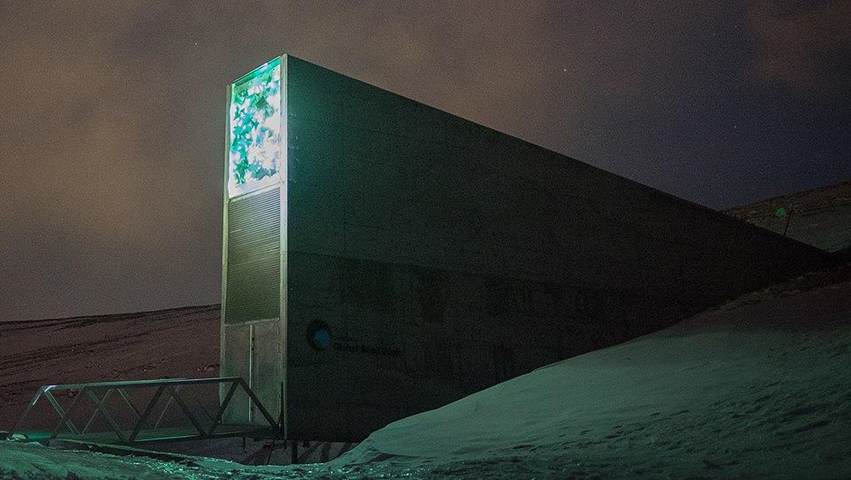
In the Arctic archipelago of Svalbard, Norway, a heavily fortified underground facility, looking as if it came from a futuristic world, stands ready to protect humanity’s most important crop seeds from global disaster. This is the Svalbard Global Seed Vault.
Buried deep within a mountain of permafrost, the facility has stored over a million varieties of seeds from more than 100 countries since its opening in 2008. The entrance is protected by thick concrete walls and steel doors, along with 24-hour surveillance cameras and motion sensors, creating a perfect deterrent to any unauthorized access.
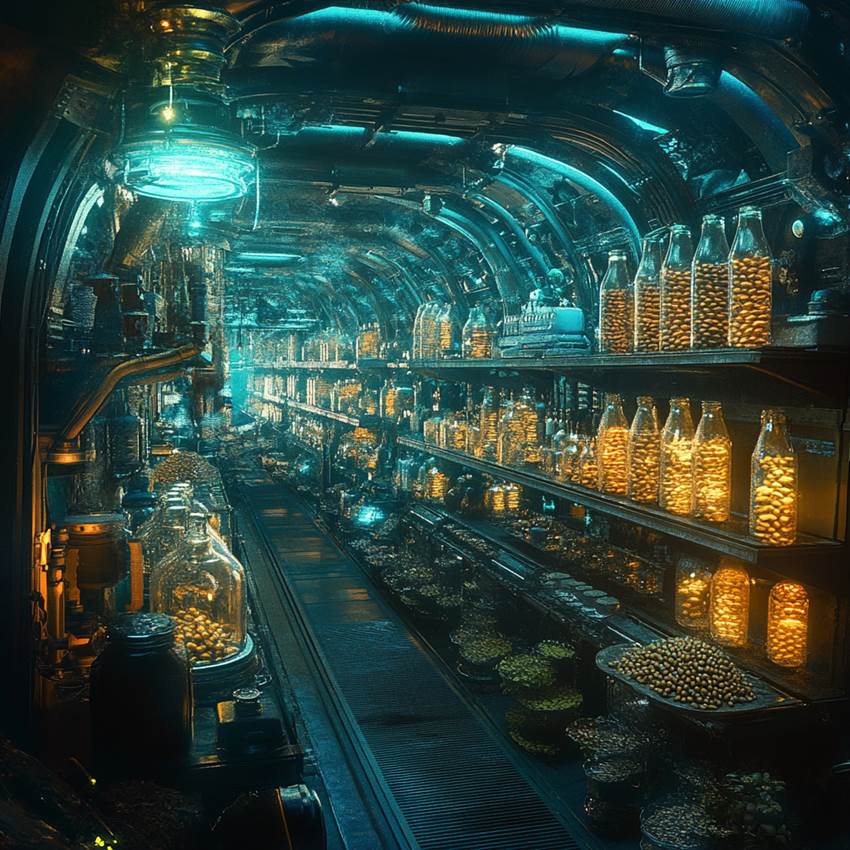
Image created by Midjourney
The vault does not offer tours, and only a limited number of officials and scientists from various governments and research institutions are allowed inside. The general public can only approach the entrance. This facility, tucked away in a frigid landscape, can truly be called a forbidden repository holding the fate of humanity. It is a beacon of hope, designed to preserve biodiversity and ensure a future for generations to come, even in the event of a global food crisis or major catastrophe. Its very existence symbolizes humanity’s strong awareness of the environmental issues and food security challenges of modern society.ntrusted with the fate of humanity.
No.12: Mount Athos (Greece)
Source : Wikipedia
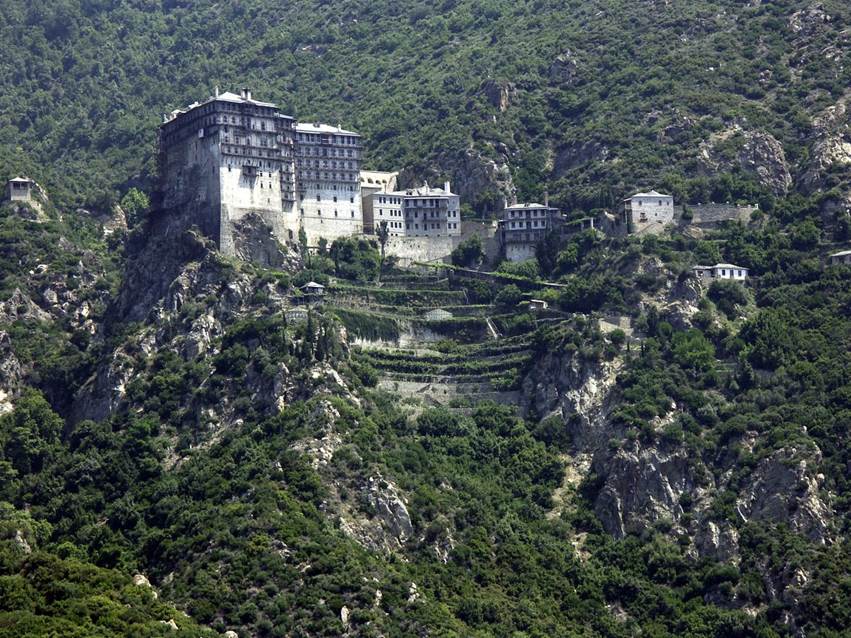
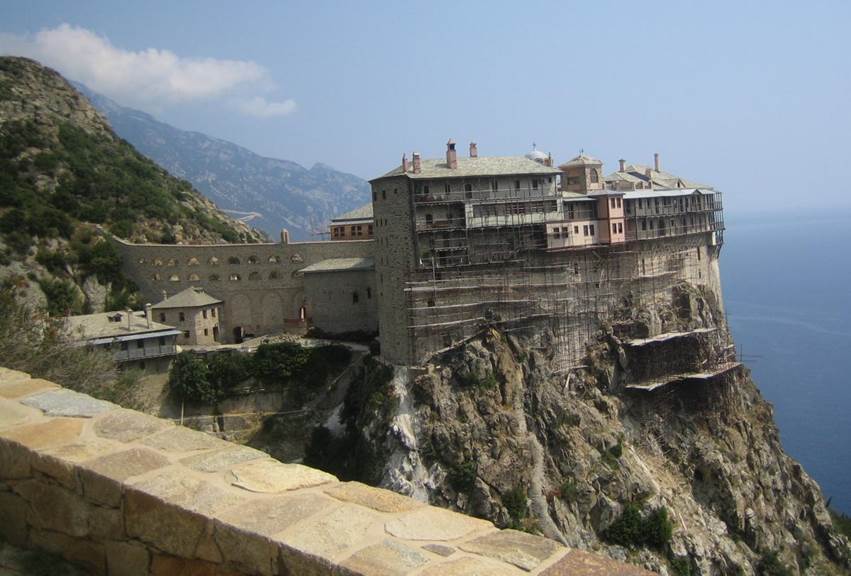
Mount Athos, in northern Greece, is a peninsula of faith where 20 Eastern Orthodox monasteries are located. For nearly 1,000 years, a strict rule known as avaton, or “forbidden entry,” has been upheld: women are completely banned. Only monks are allowed to live on the peninsula, and even men’s entry is strictly regulated, requiring a special permit.
This rule is so absolute that female livestock have traditionally been kept away, with the only exception being cats to control the mouse population. As a result, Mount Athos remains the only place in modern Europe where women are forbidden to enter.
Source : WIKIMEDIA COMMONS
The site was designated a UNESCO World Heritage site in 1988. Even in the 21st century, there are rare reports of women attempting to secretly break the rule. However, under the strict watch of the monks of Mount Athos, the peninsula continues to exist as a pious realm of prayer, separated from the secular world. This is truly a “holy forbidden zone” isolated from modern society to preserve the purity of its faith. These strict rules not only protect a religious tradition but also deeply contribute to the spiritual discipline of the monks.
No.11: Lascaux Cave (France)
Source : WIKIMEDIA COMMONS
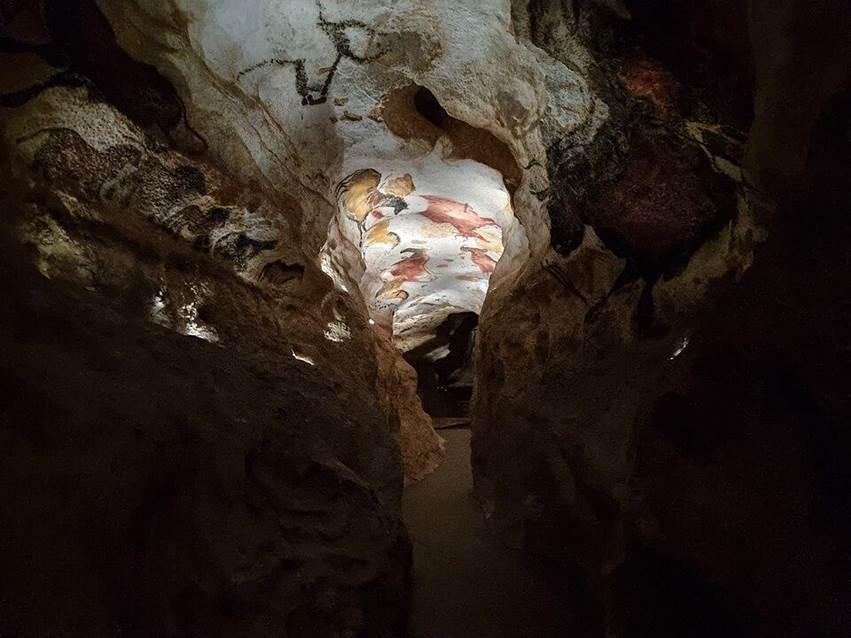
Hidden in the southwest of France, Lascaux Cave houses some of the most remarkable prehistoric wall paintings, dating back approximately 17,000 years to the Upper Paleolithic period. After its discovery in the 1940s, the cave was initially opened to the public. However, the influx of visitors led to severe damage—carbon dioxide from tourists’ breath and introduced fungi caused mold to grow on the priceless murals.
To preserve this irreplaceable heritage, the French government fully sealed off the cave in 1963. Since then, access has been strictly restricted to researchers only. The cave’s internal temperature and humidity are meticulously controlled, and to protect the original art, a full-scale replica known as “Lascaux II” was constructed nearby for visitors.
Now a UNESCO World Heritage Site, Lascaux Cave stands as a testament to early human creativity—intentionally kept off-limits to ensure its preservation for generations to come.
No.10: North Sentinel Island (India)
Source : WIKIMEDIA COMMONS
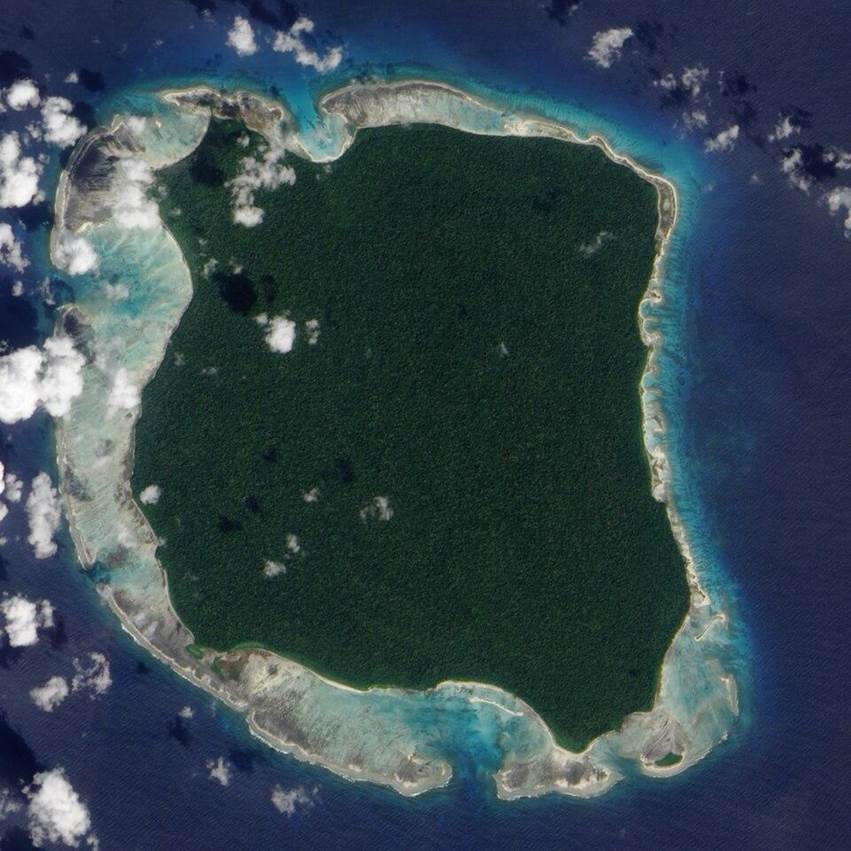
North Sentinel Island, a remote land in the Indian Ocean, is home to the Sentinelese—a tribe that has lived in complete isolation for tens of thousands of years. Fiercely protective of their independence, the Sentinelese have aggressively repelled outsiders. There have been tragic incidents, including the killing of shipwrecked fishermen and an American missionary who attempted to land on the island.
To protect both the islanders and potential visitors, the Indian government has legally designated the island as a No Entry Zone. Approaching within five kilometers of the island is strictly forbidden. The Indian Navy and Coast Guard patrol the surrounding waters to ensure that the Sentinelese remain shielded from external contact and exposure to potentially deadly diseases.
No.9: Vatican Secret Archives (Vatican City)
Source : WIKIMEDIA COMMONS
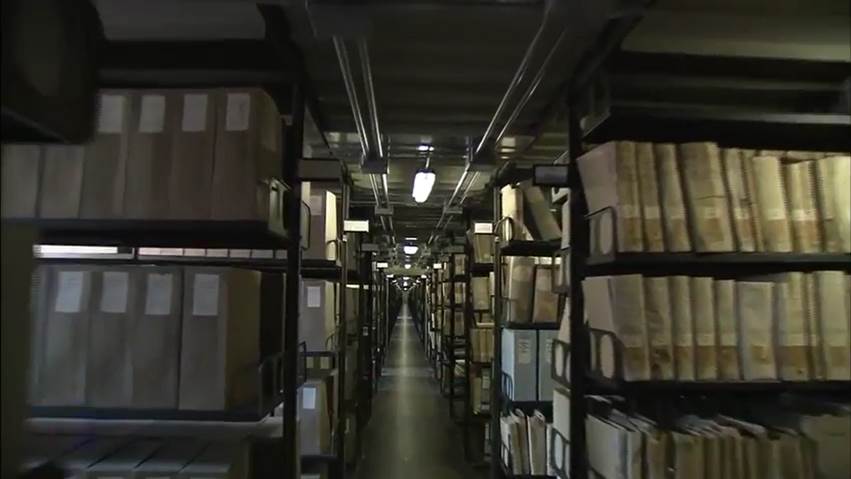
Owned by the Holy See, the Vatican Secret Archives—now officially called the Vatican Apostolic Archives—house centuries of church history and confidential documents in one of the world’s largest archival collections. The archives are strictly off-limits to the public. Only researchers who pass rigorous vetting are granted access. Journalists, students, and amateur historians are entirely prohibited. Even for approved scholars, access is limited by special permits that must be renewed every six months.
This intense secrecy has fueled countless conspiracy theories, with some believing the Vatican hides humanity’s unknown truths within its walls. Regardless of speculation, curiosity about this Restricted Area continues to captivate the world.
No.8: Area 51 (United States)
Source : WIKIMEDIA COMMONS
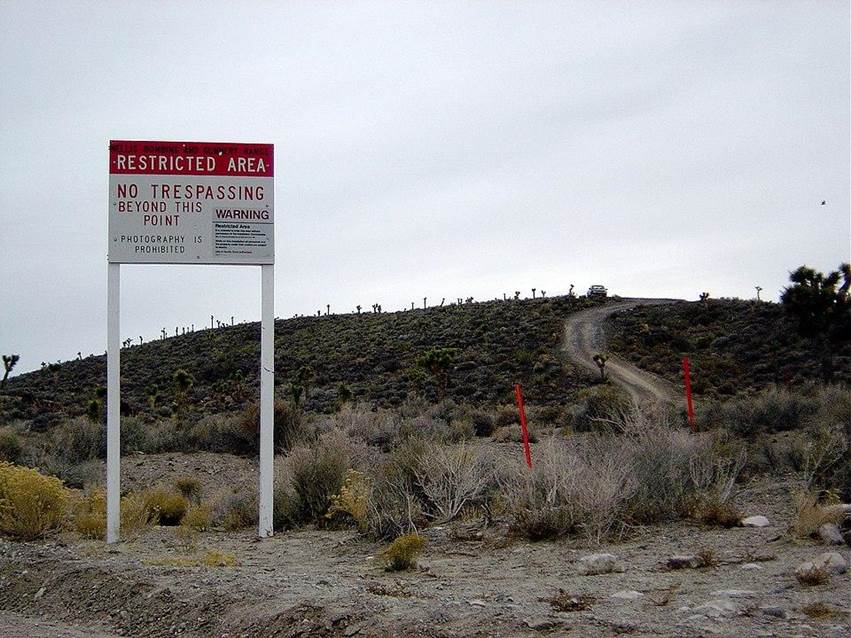
Located in Nevada’s desert, Area 51 is a top-secret U.S. Air Force base whose existence was denied by the government for decades. In reality, the base is used for advanced military aircraft testing, but rumors of UFOs and alien life have never ceased.
Warning signs around the perimeter declare that deadly force is authorized against trespassers. There are no visible fences, but underground sensors and surveillance cameras blanket the area. Armed security forces respond immediately to any intruders. To safeguard national secrets, Area 51 remains one of the most heavily secured Restricted Areas on Earth.
No.7: Ilha da Queimada Grande (Brazil)
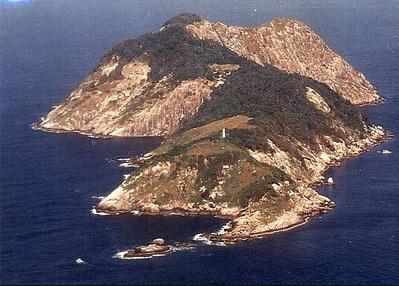
Ilha da Queimada Grande (Brazil)
Source : WIKIMEDIA COMMONS
Just off the coast of Brazil lies Ilha da Queimada Grande, better known as Snake Island—home to the highest concentration of venomous snakes on Earth. Thousands of golden lancehead vipers inhabit the island, with densities reaching up to five snakes per square meter.
The venom of these snakes is so potent that death can occur within an hour of being bitten. The Brazilian government has declared the island a No Entry Zone by law, prohibiting access to all but a handful of researchers with special permits. Even then, any authorized landing requires the accompaniment of a medical professional due to the extreme risk. This “Island of Death” remains strictly off-limits to the general public.
No.6: Niihau Island (United States, Hawaii)
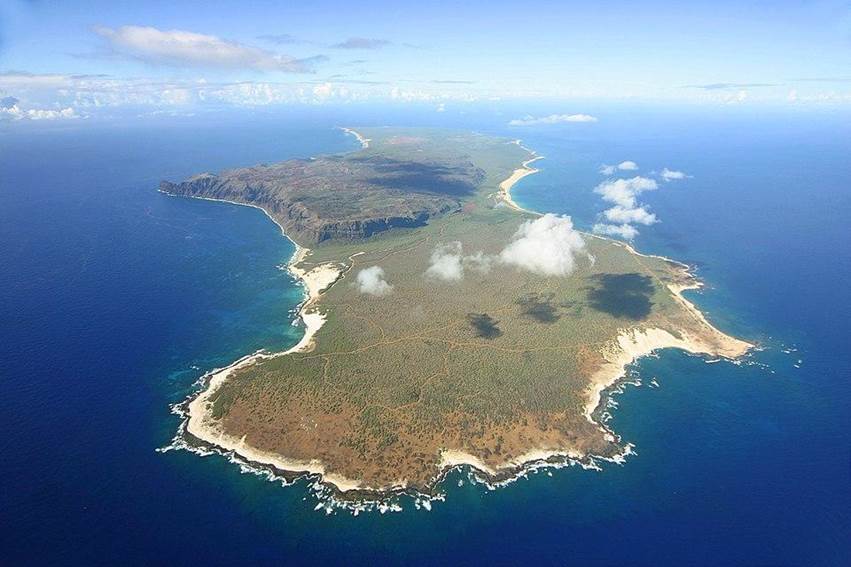
Source : WIKIMEDIA COMMONS
Known as “The Forbidden Island,” Niihau is part of Hawaii but remains entirely off-limits to general tourists. Privately owned by the Robinson family since 1864, the island is home to only about 70 native Hawaiians and their families. No outsiders are permitted without explicit invitation.
The island is devoid of paved roads, stores, or conventional electricity, with life maintained largely by solar power—preserving a way of life that is frozen in time. While limited snorkeling tours in the surrounding waters have been allowed in recent years, landing on the island itself requires a direct invitation from the owners. By minimizing outside contact, Niihau has preserved its traditional culture and language, standing quietly as the “Last Paradise” of the modern world.
No.5: Mezhgorye (Russia)
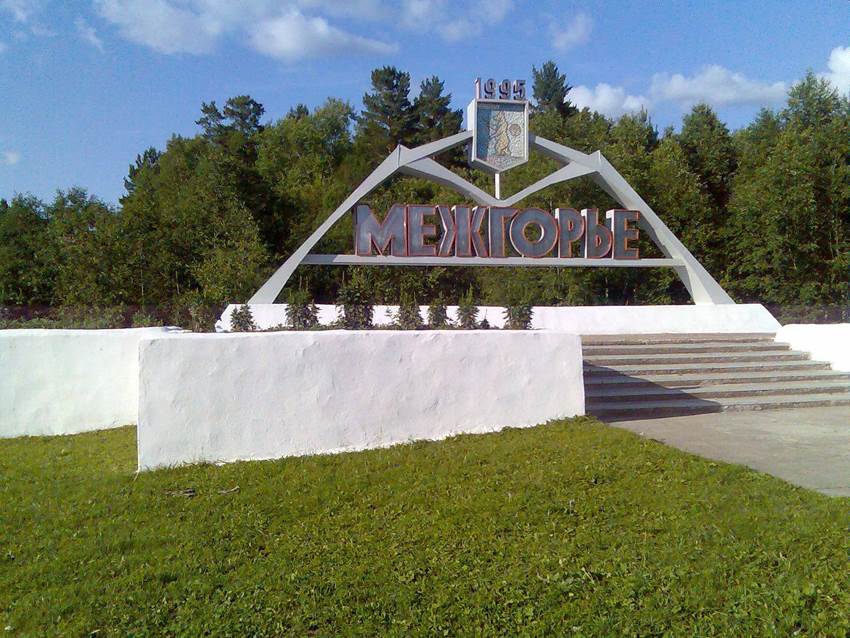
Source : Wikipedia
Mezhgorye is a “Closed City” located in the Republic of Bashkortostan, Russia. Entry is strictly prohibited not only for the general public but even for nearby residents. Founded in 1979 near Mount Yamantau in the Ural Mountains, the city is rumored to house nuclear missile silos and underground bunkers dating back to the Soviet era.
The Russian government has never disclosed details, but it is believed to serve as a strategic nuclear facility and a hub for classified military projects. Security checkpoints are positioned at the town’s entrances, and unauthorized individuals are rigorously denied access. Often referred to as “Russia’s Area 51,” Mezhgorye remains shrouded in mystery, with speculation about vast underground complexes continuing to fuel intrigue.
No.4: Diego Garcia Island (British Indian Ocean Territory)
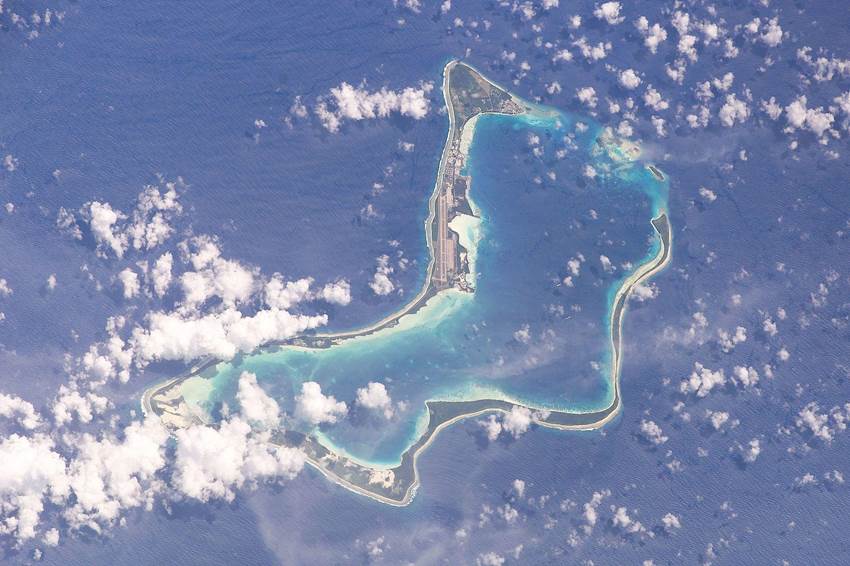
Source : Wikipedia
Located in the heart of the Indian Ocean, Diego Garcia Island was once home to indigenous inhabitants until the late 1960s, when they were forcibly relocated by the U.S. and U.K. governments. Today, the island serves as a massive U.S. military base.
The entire island is designated as a military Restricted Area, with civilian access strictly forbidden. Not even former residents are allowed to return. The British Indian Ocean Territory government officially states that Diego Garcia is not a tourist destination and that prior permission is required for any travel. There are no commercial flights to the island, which remains strategically vital since the Cold War. Known as the “Fortress Island,” Diego Garcia is effectively erased from maps and remains under tight security.
No.3: Poveglia Island (Italy)
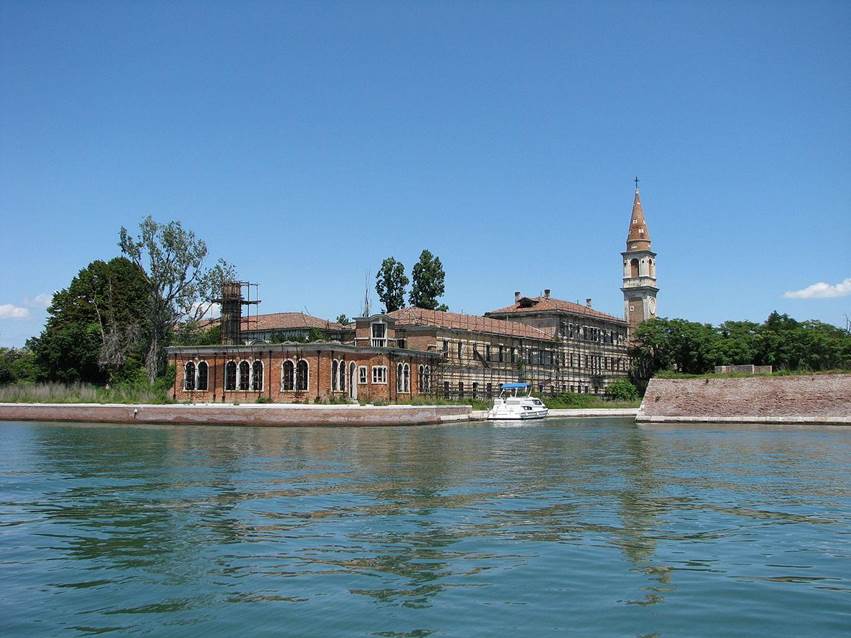
Source : Wikipedia
Poveglia, a small island in the Venetian Lagoon, was once used as a quarantine site for plague victims and later housed a psychiatric hospital. Because of this dark history, it is known as “The World’s Most Haunted Island.”
Legend has it that 50% of the island’s soil consists of human ashes, and countless skeletal remains are buried across the island. Since the 1960s, it has remained uninhabited, and the Italian government has banned access due to safety concerns from the crumbling buildings. Only researchers and select media personnel with special permits may occasionally visit; ordinary people can only view the island from afar by boat. Even local fishermen avoid its shores. Poveglia continues to fuel both fear and curiosity as a truly forbidden place.
No.2: Ise Grand Shrine – Inner Sanctum (Japan)
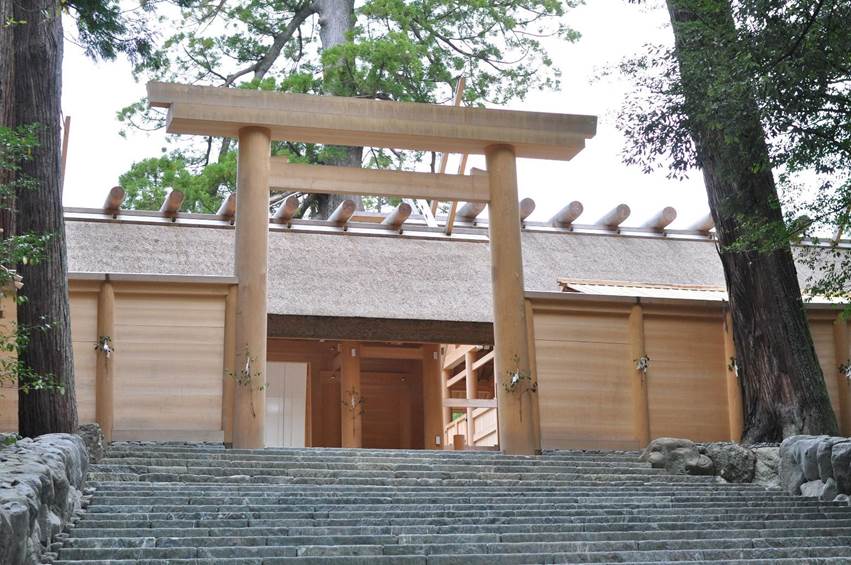
Source : Wikipedia
Considered the most sacred shrine in Japan, the Inner Sanctum of Ise Grand Shrine (Kōtai Jingū) enshrines the sun goddess Amaterasu. Revered as “the spiritual home of the Japanese people,” the shrine’s main sanctuary is strictly off-limits to the general public, who may only offer prayers from outside the sacred fence.
Access to the Inner Sanctum is granted exclusively to the Emperor’s family and a select few Shinto priests. Even among priests, only the most senior officials may enter. Photography is strictly prohibited, and during the shrine’s once-every-20-years rebuilding known as Shikinen Sengu, the construction is hidden behind tall fences, with details kept secret. As a symbol of Japan’s enduring respect for its myriad deities, this place remains a mystical realm—forever unseen by ordinary eyes.
No.1: Church of the Ark of the Covenant (Ethiopia)
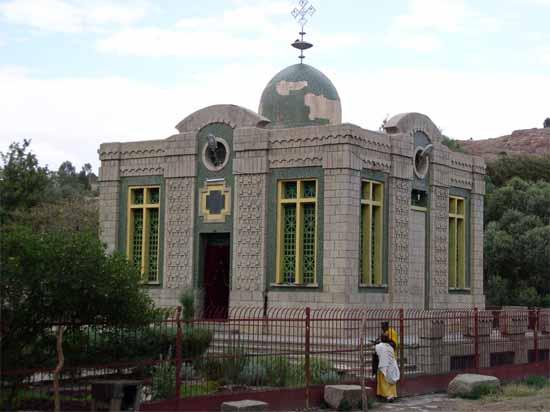
Church of the Ark of the Covenant (Ethiopia)
Source : Wikipedia
Within the ancient city of Axum in northern Ethiopia stands a modest chapel on the grounds of St. Mary of Zion Church. It is believed to house the Ark of the Covenant—the sacred chest said to contain the stone tablets of the Ten Commandments.
Remarkably, only one monk in the entire world is permitted to set eyes on the Ark. This guardian monk dedicates his entire life to prayer and solitude beside the Ark, never leaving his post. According to Ethiopian Orthodox tradition, no one—no matter how high-ranking—may view the relic or enter the chapel. As a result, no scientific studies or verifications have ever been conducted, leaving the question of the Ark’s authenticity shrouded in mystery. For the faithful, however, the Church of the Ark remains an extraordinarily holy site, forever a Mythical Sanctuary beyond reach.
What a journey, right? We’ve explored places that we can’t set foot in—sites holding the secrets of history, the mysteries of nature, and the power of faith. Did you find a place that sparked your curiosity?
This site features many other wonders and amazing stories from around the world. Be sure to check them out!



_(cropped).jpg)


