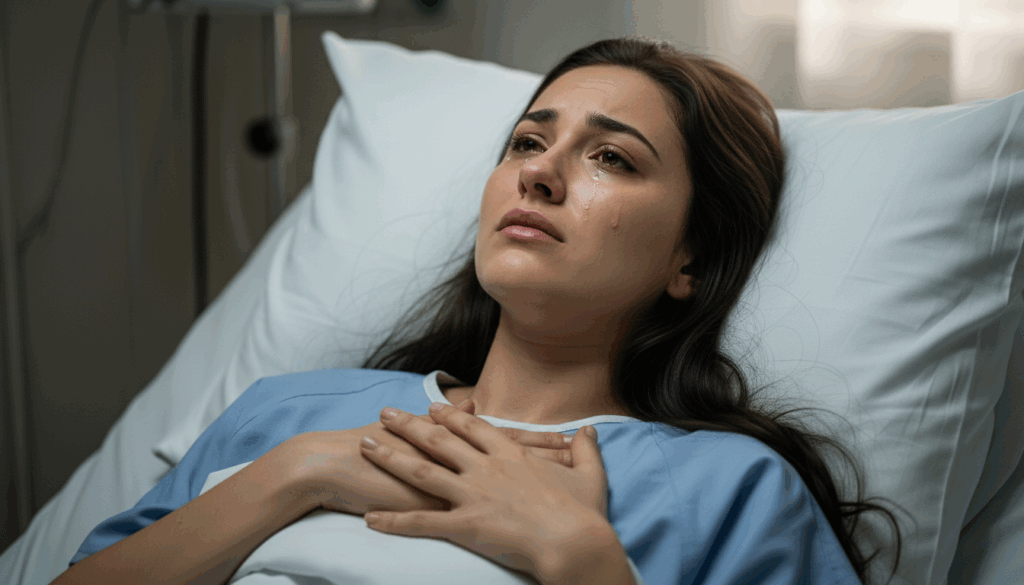
Staring up at the hospital’s white ceiling, the glare of the fluorescent light stung my eyes until a gentle heat gathered behind them. The words I had just heard were too heavy to absorb. It felt as if the ground beneath me had suddenly fallen away.
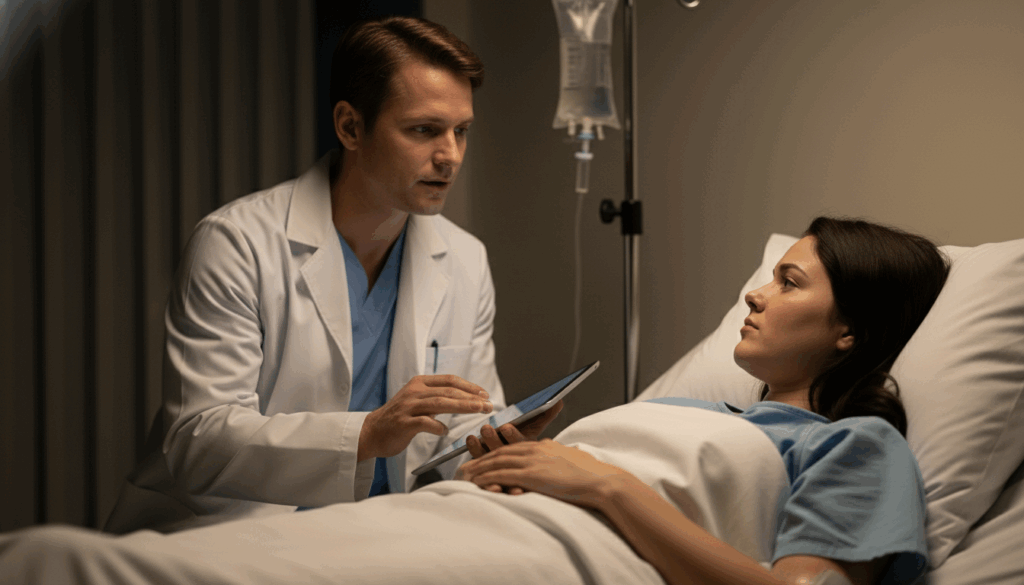
The doctor had stated it plainly — one year left. I realized that I would experience just one more cycle of spring’s blossoms, summer’s brightness, autumn’s solitude, and winter’s stillness before my time came to an end.
In the next room, he slept peacefully, unaware of the illness quietly consuming me. Watching his calm expression, I found I had no courage to tell him the cruel truth.
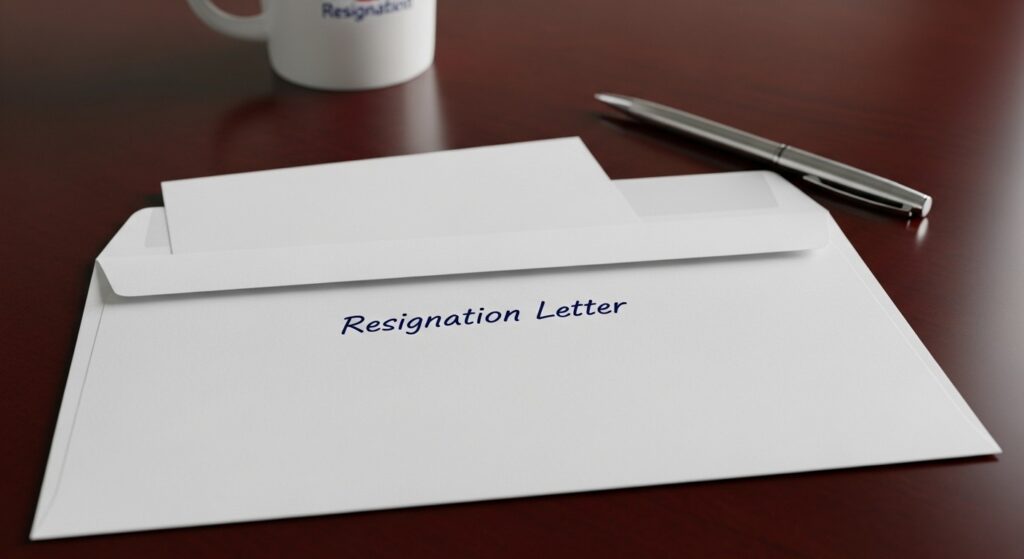
Soon after, I handed in my resignation at work. I didn’t explain much, and no one asked. They simply accepted it in silence. It felt like quietly cutting away my last thread to society.
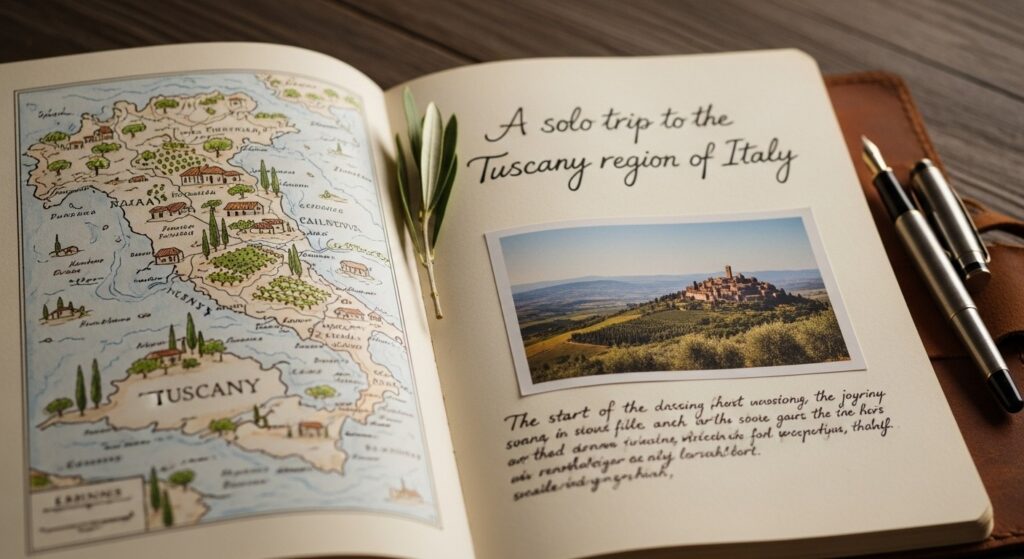
From the corner of my room, I took out an old notebook I had kept since childhood. Dust clung to its cover. Inside were lists of “things I must do someday” — dreams that still waited, unfinished.
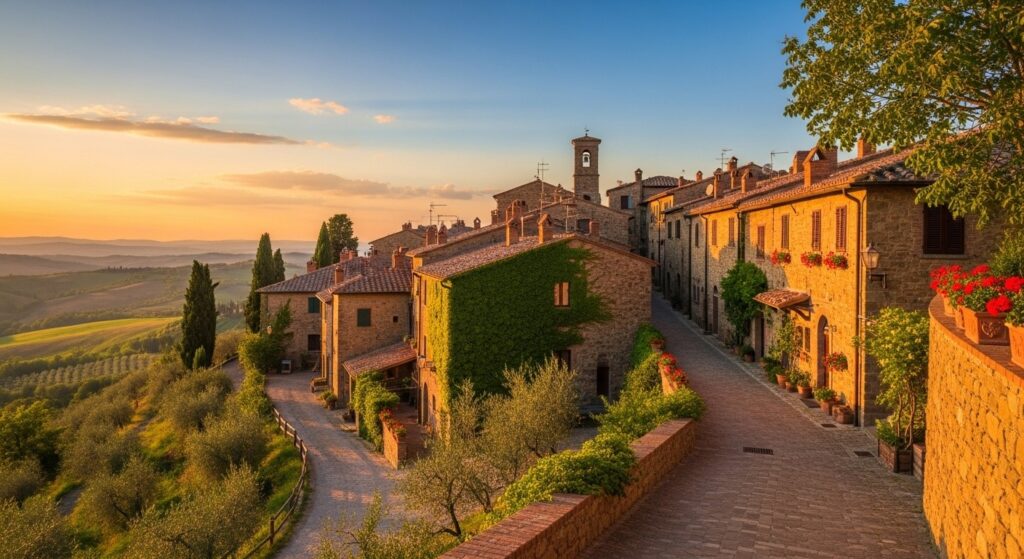
The first thing I chose from that list was a solo trip to a small stone village in Tuscany, Italy — a place I had longed to see. I wanted to fill my eyes with beauty, free from anyone’s expectations.
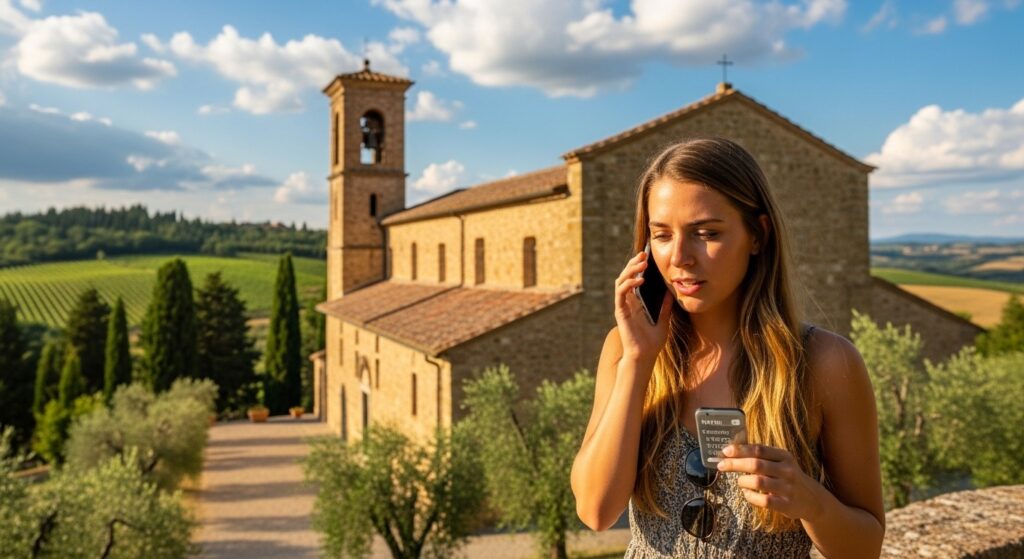
Standing before a quiet church on that trip, I called him overseas. Forcing a cheerful tone, I said, “I’m sorry, but could we postpone the wedding just a little longer?” My voice trembled, but I smiled as best I could.

On the other end, he hesitated for a moment, then softly replied, “All right. I’ll wait until you’ve done everything you want to do.”
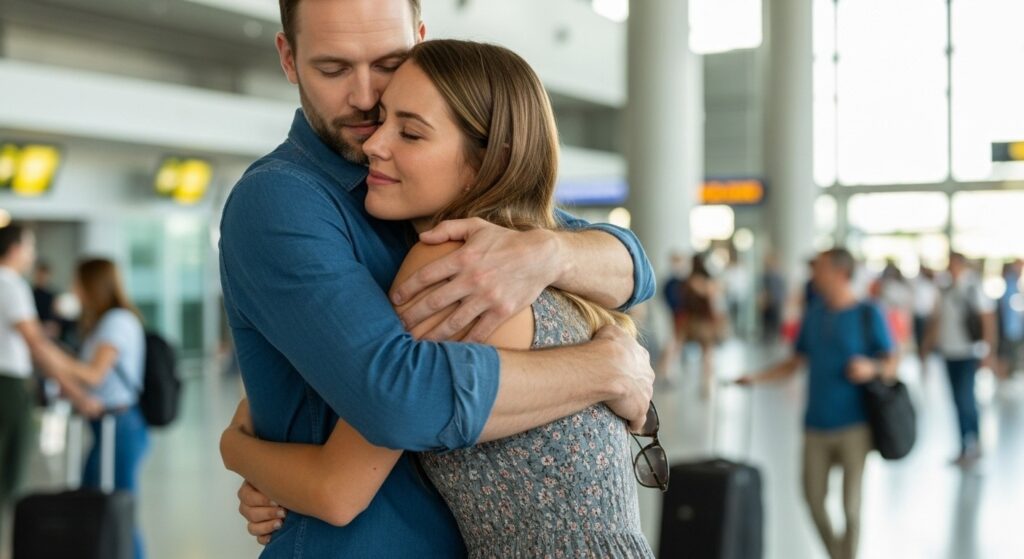
When I returned, he was waiting at the airport. From then on, for the rest of that year, he stayed by my side — never once letting go.

Together, we climbed Mauna Kea, just as my list had promised. The wind at the summit was sharp and cold, but his hand, warm and steady in mine, kept me tethered to life.
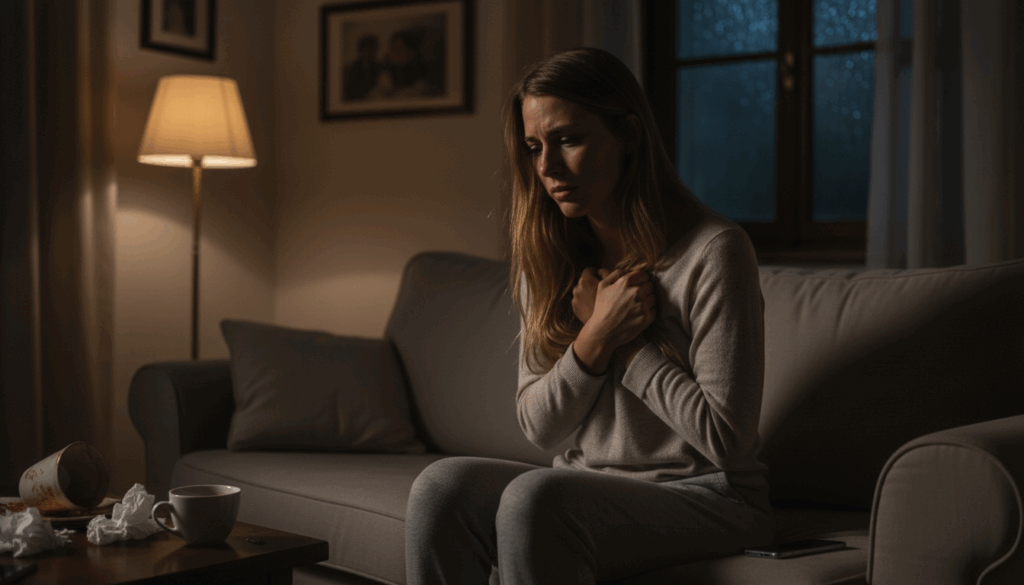
By simply being near, he shielded me from the loneliness and fear I could never express aloud. Each time I felt his quiet strength, my chest tightened with gratitude and pain.
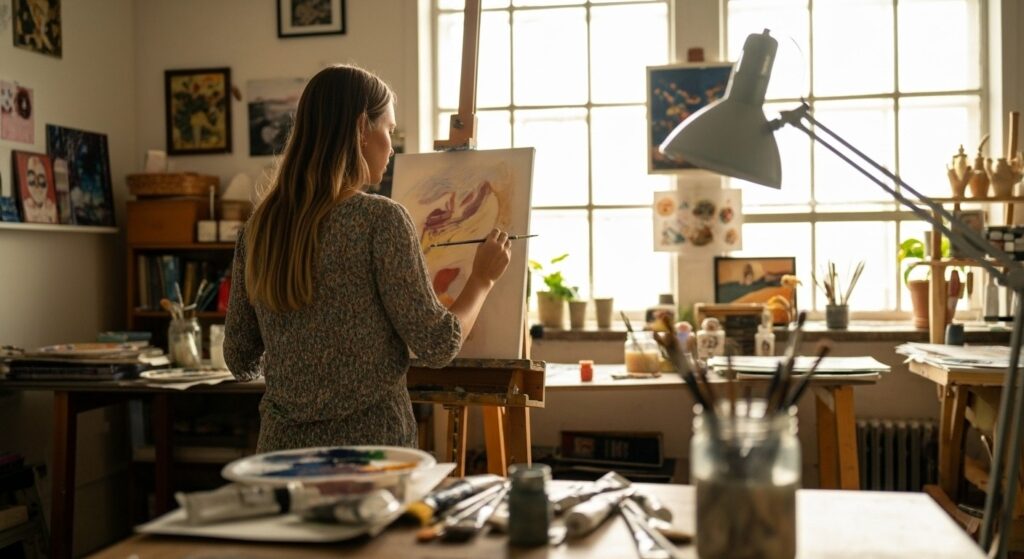
Next, I began painting again — reviving the dream I had abandoned as a child, to become an artist. I filled the canvas with bright colors, as if each stroke could defy time.
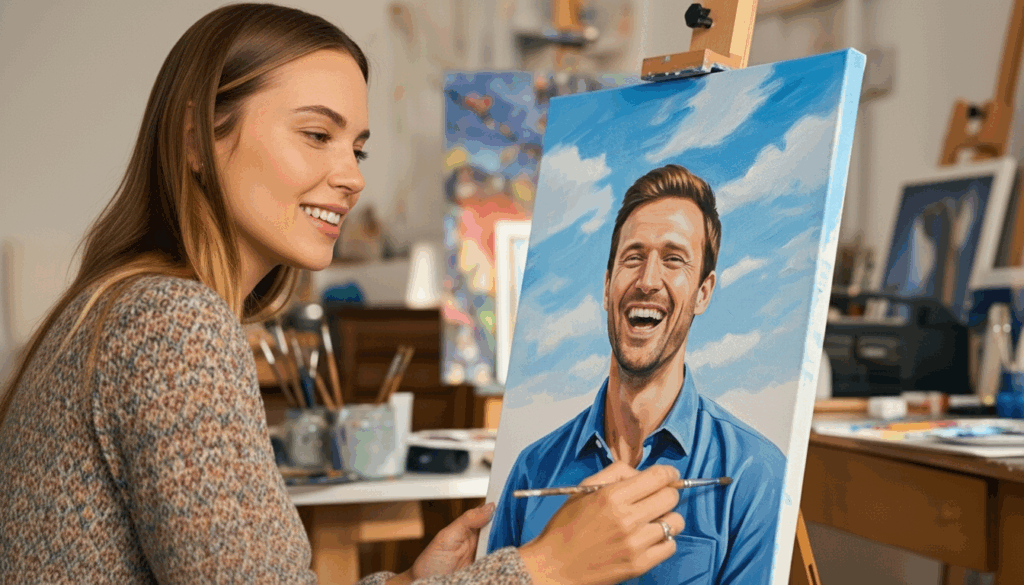
My final painting was of his face — the way he smiled under the blue sky. I wanted that smile to live forever in my memory, so I poured everything into every brushstroke.

Late at night, while he slept beside me, I would quietly take the pills from my bedside table. The faint click of the bottle’s cap echoed the reality of my illness more clearly than any pain.

As the medicine doses increased, the pain grew stronger. I could feel time slipping through my fingers, like sand whispering away.

One evening at dinner, he looked at me seriously. “Why haven’t you ever worn the ring we bought?” he asked.

I quickly looked away. “I’ve been careless with my health lately,” I lied. “My fingers must’ve gotten a bit thicker.”
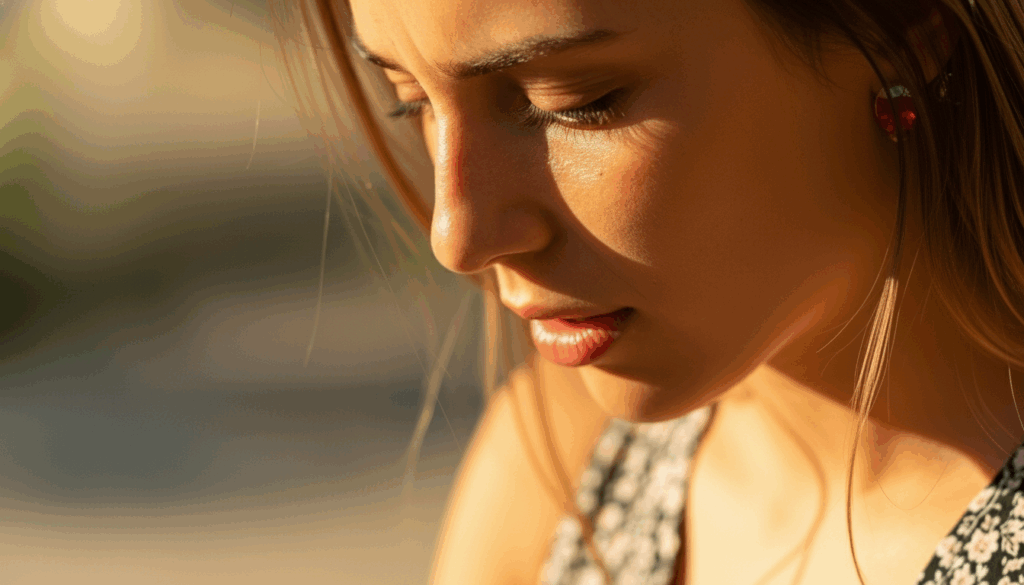
That lie — told only to spare him pain — became the hardest burden I ever carried. I was more afraid of taking away his smile than of telling the truth.

Each morning when I woke, I silently erased one more promise of our future — “next year’s trip,” “our child’s name” — from my heart, one by one.

Before long, we stopped speaking about the future entirely. Instead, we filled our days with stories of the past — the laughter, the beginnings, the times before sickness.

Then one day, he handed me a small box — the same deep navy velvet as the first time he had proposed.

“It’s not a postponement anymore,” he said with a gentle smile. “I’ve changed my mind. Let me propose to you again — this time, with no deadline.”

I accepted the box, thanked him softly, and placed it in my desk drawer. I never opened it — not then, not ever.
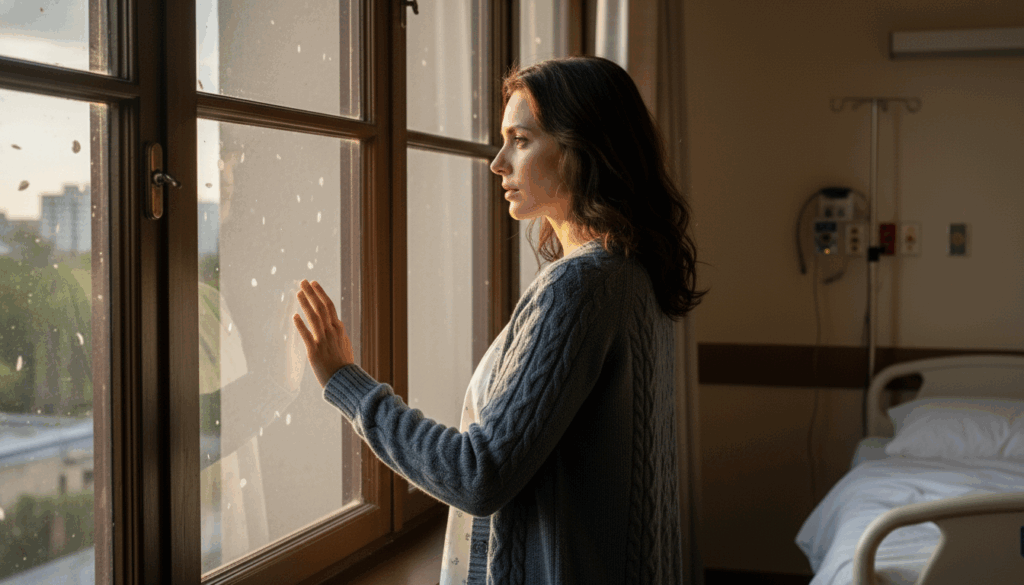
Outside the window, the last petals scattered in the wind. Our promised year was ending quietly, without a sound.

As my body weakened, he held my hand tightly — never letting go, even at the final moment. That warmth was proof that I had truly lived.
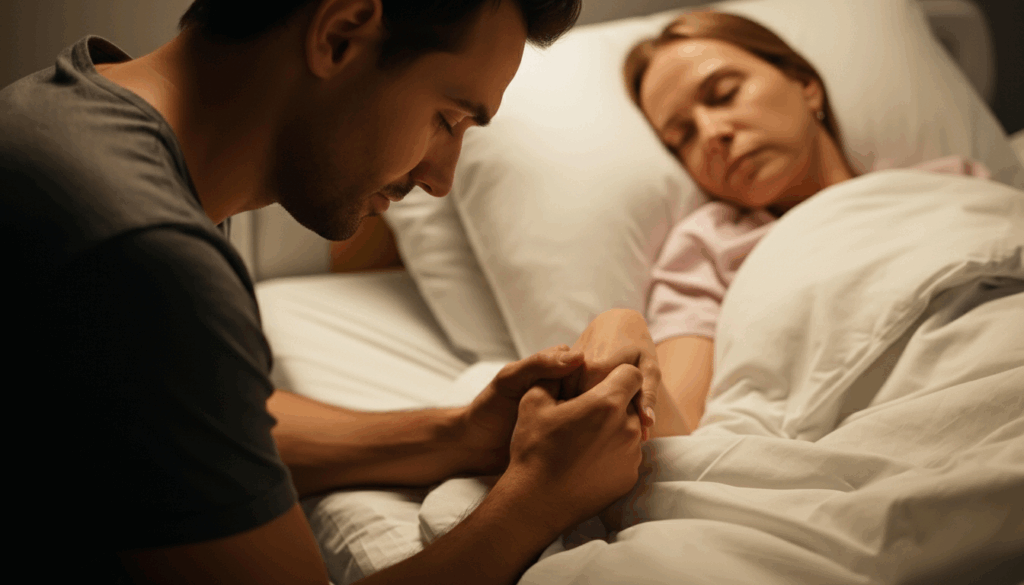
A single tear rolled down his cheek and fell onto my hand, warm as life itself. Feeling that warmth, I closed my eyes for the last time.

Just before losing consciousness, I whispered to him, “Read my old diary in the drawer.” Those were my final words.
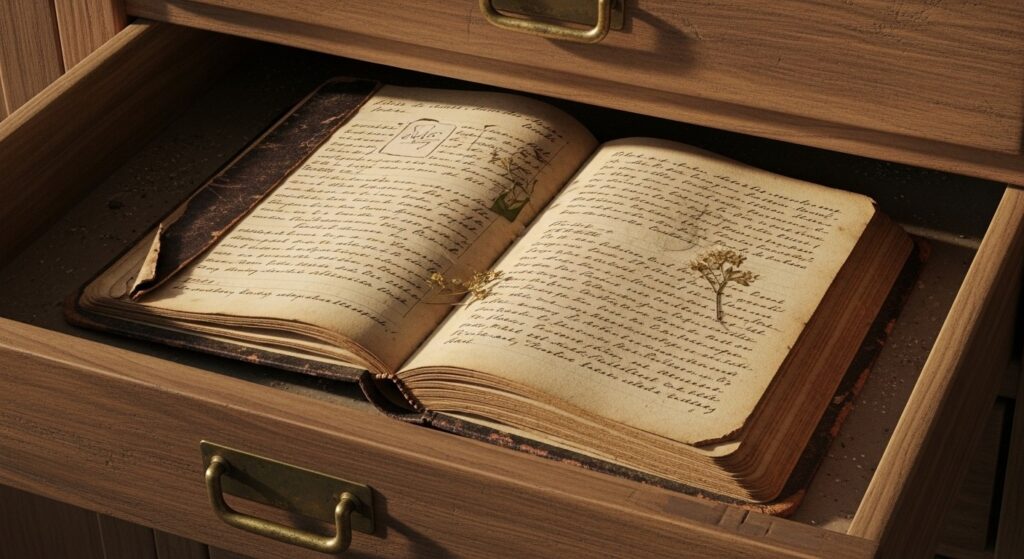
The funeral was held quietly in a hospital room. He shed no tears, only held the memory of her close to his heart. A few days later, he returned home and opened the drawer, just as she had said.
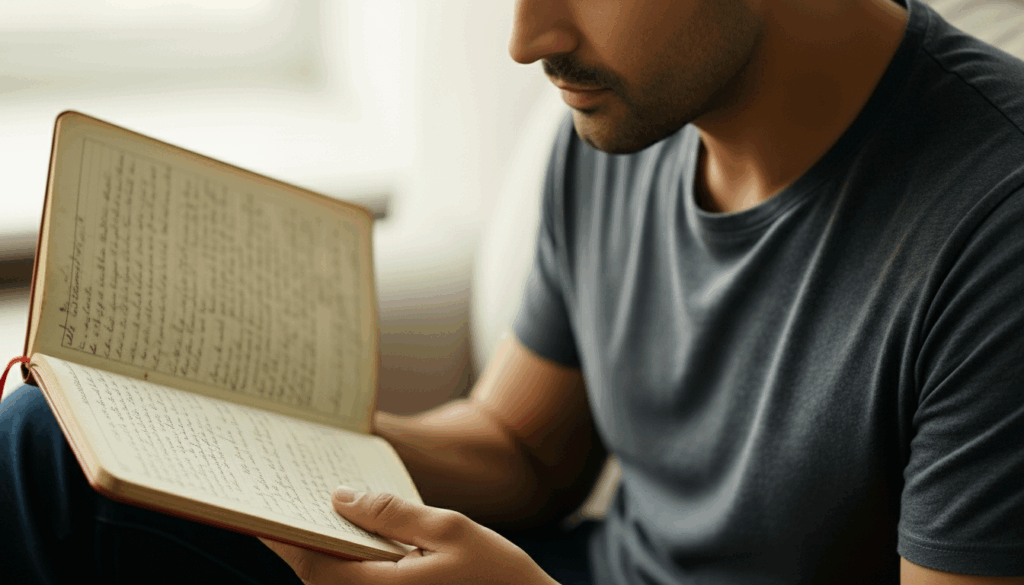
Turning the pages of her diary, he found a note scribbled in haste at the very end. It carried her most earnest wish.

“I’ve completed everything on my list this year. It was the best life I could have hoped for. But there’s one thing I couldn’t bring myself to do.”
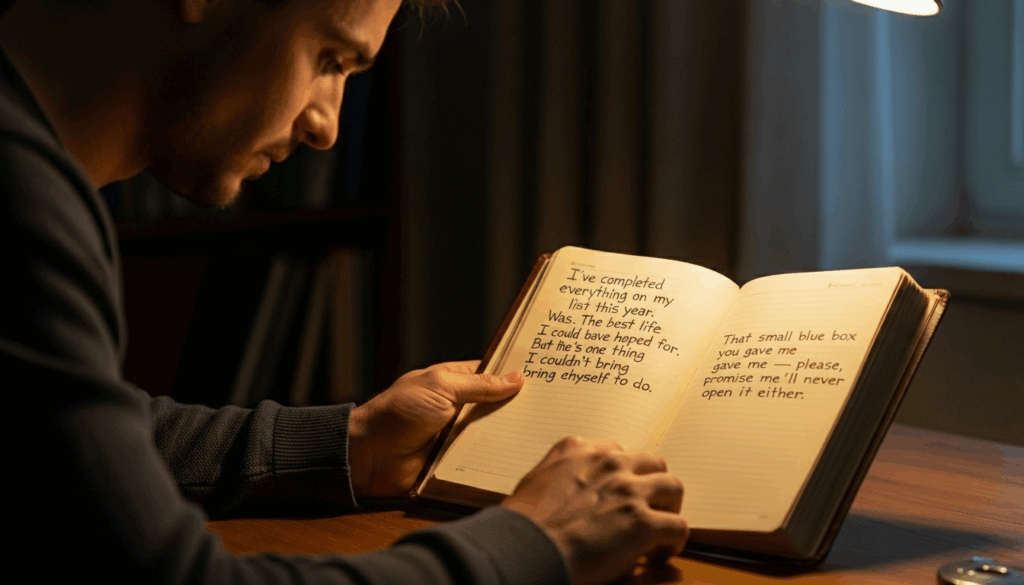
“That small blue box you gave me — please, promise me you’ll never open it either.”

He read the message over and over, then, with trembling hands, took out the small navy box she had kept sealed for a year.
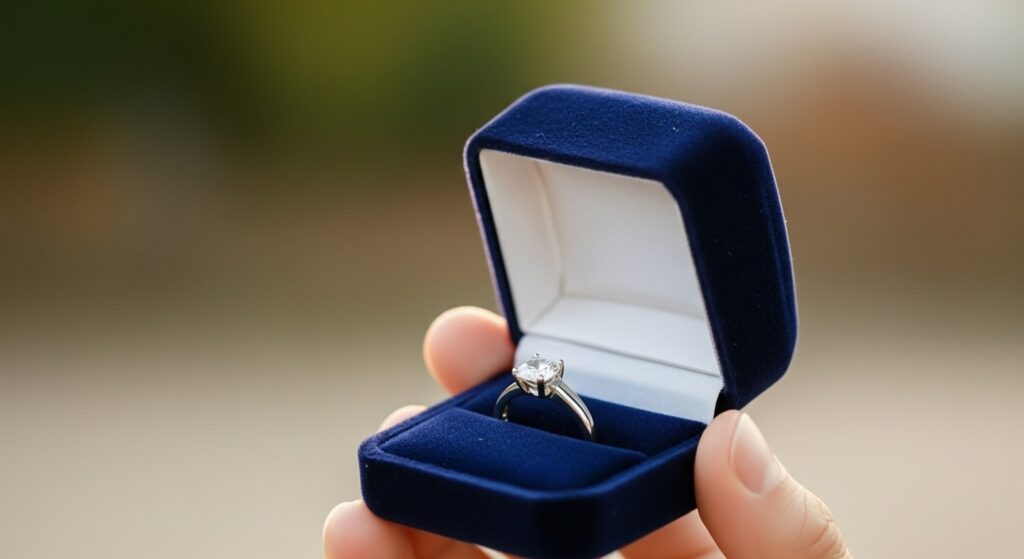
After a long hesitation, he drew a deep breath and slowly opened the lid. Inside was a gleaming engagement ring, catching the light.

Beneath the ring was a neatly folded piece of paper — a note written the night she received it.
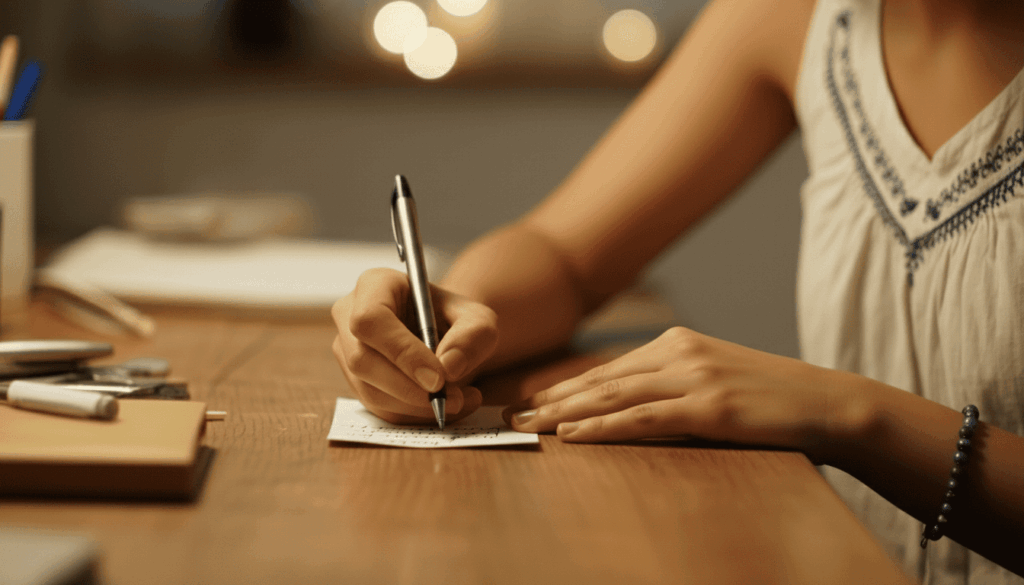
“To me, this ring is the symbol of the future itself.”
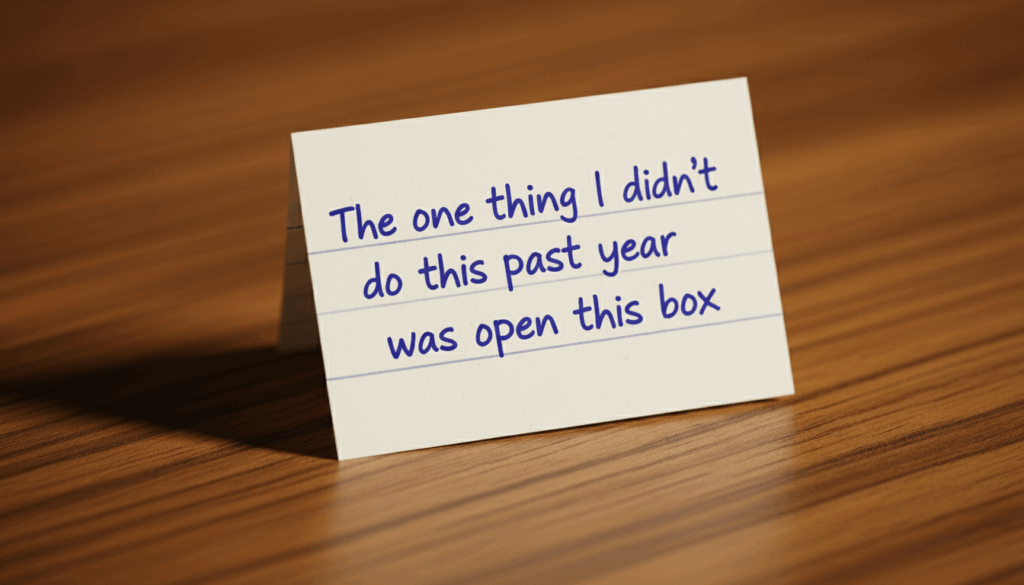
“The one thing I didn’t do this past year was open this box.”

“Because if I had opened it and put the ring on my finger, it would’ve meant accepting that our future together was over.”
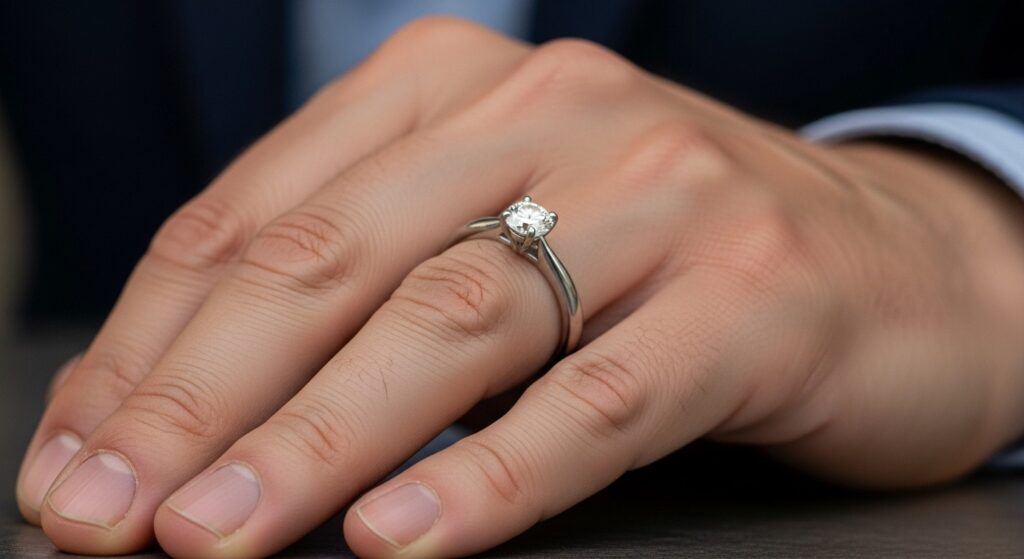
Tears streamed down his face as he lifted the ring from the box. With a silent vow not to give up on the life they had dreamed of, he gently slipped it onto his own finger.

The one who refused to give up on the future wasn’t only the woman who fought her illness — but also the man who chose to keep living, carrying her love forward.