
1. Evacuate milk from the “door pocket” of the refrigerator now.
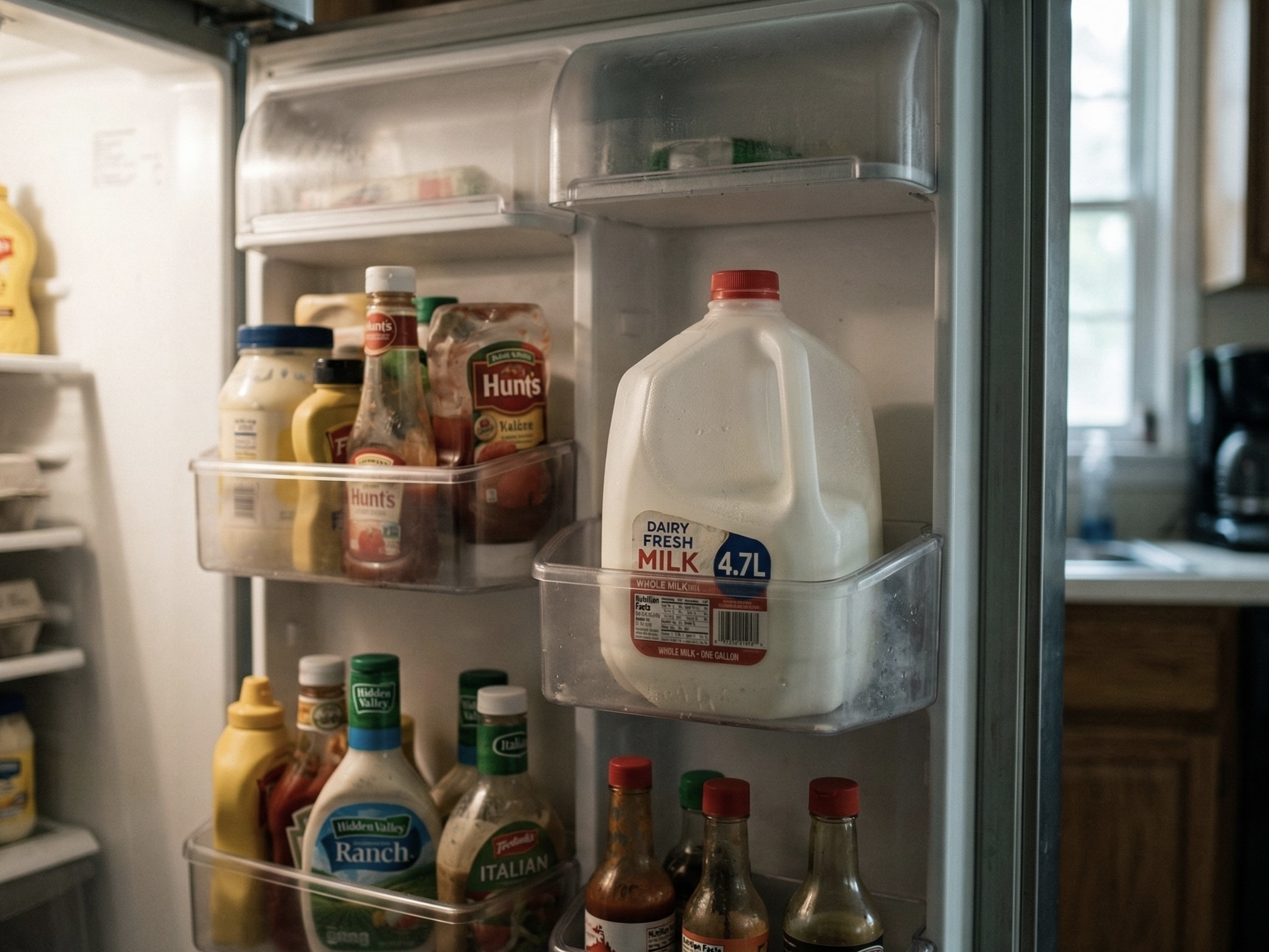
Milk should be placed in the door pocket where it is easy to take out. Please throw away this common sense today and forever. In fact, this is the worst habit of all, secretly enjoyed by companies that want to speed up the consumption cycle. The rapid temperature change that occurs every time you open and close the door explosively accelerates the growth of bacteria that lurk in milk. It is never your fault that the premium milk you have gone to the trouble of buying quickly turns sour. Simply evacuating the milk to a special place called “the back shelf of the refrigerator,” where the temperature is most stable, will dramatically increase its life span. Get out of the trap of inducing unconscious loss now.
2. “Complete isolation” of apples from other vegetables
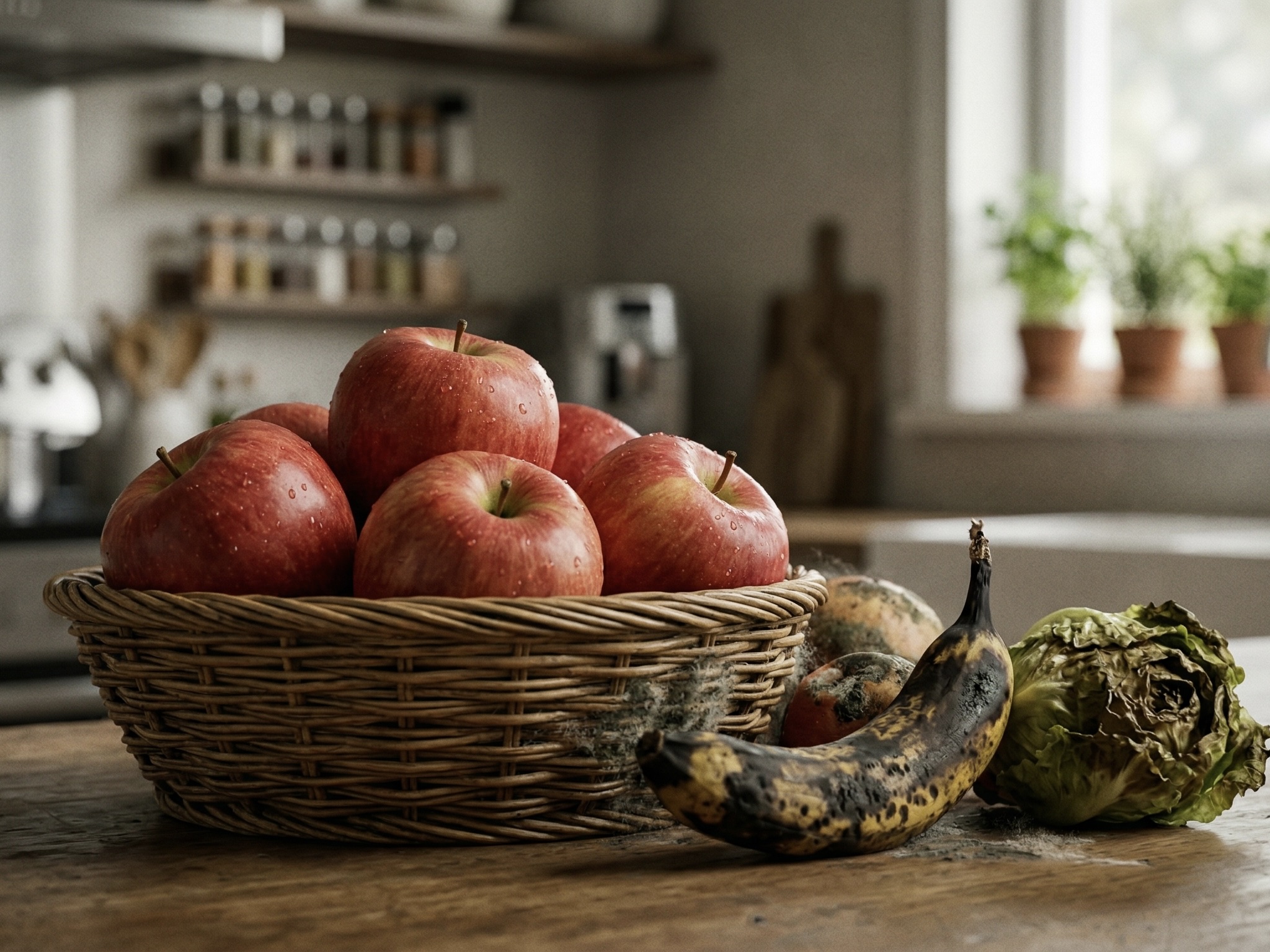
Behind the beautiful sight of “apples in a fruit bowl,” a terrible phenomenon is taking place. Have you ever heard of ethylene gas, which is constantly being released by apples? This is a “ripening hormone” that forcibly speeds up the aging process of the surrounding vegetables and fruits. By simply placing them together, the fresh vegetables next to them will find themselves on a path of rapid decay. Apples should always be placed in airtight bags or completely isolated in a special drawer. This step will fundamentally prevent the chain reaction of food in the refrigerator from going bad.
3. Wrap celery in “aluminum foil” like a mummy.
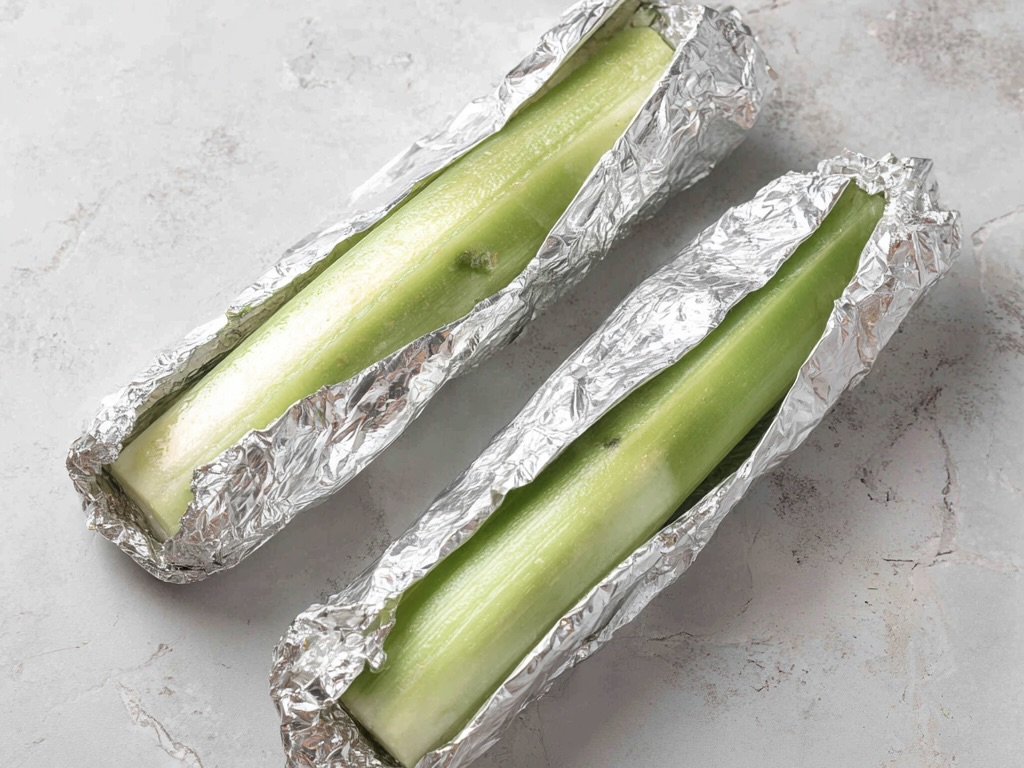
Do you throw the celery you buy into the refrigerator in the plastic bag from the supermarket? That is like suffocating the celery to death. Plastic bags trap aging gases released by the vegetable inside and accelerate the decomposition process. This is where “aluminum foil” comes in. Throw away the plastic bag as soon as you buy it, and wrap the whole thing in aluminum foil without gaps like a mummy. This will be the strongest protective gear that perfectly retains only the necessary moisture while letting out just the right amount of gas, and it will keep the crispy texture for more than a month.
4. Submerge the berries you bought in a “vinegar bath”.
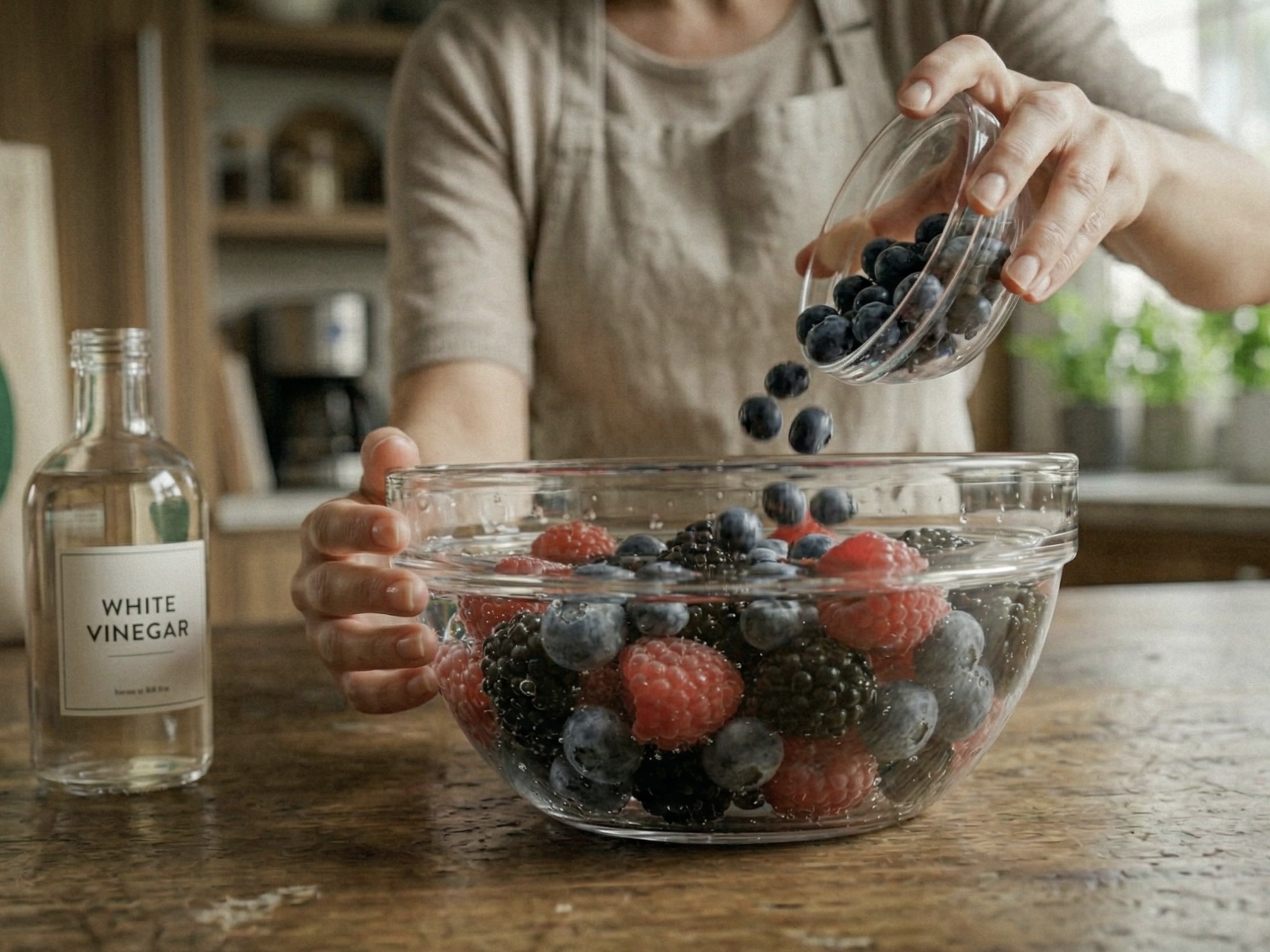
Beautiful berries you buy at Whole Foods. But their surfaces are covered in invisible mold spores and bacteria. Putting them in the refrigerator as they are is like holding a mold time bomb. As soon as you get home, give the berries a quick soak in a “vinegar bath” of water and white vinegar mixed in a 3 to 1 ratio. This pool of acid will completely kill any pesky bacteria on the surface. Wipe off the water thoroughly before storing, and you will be amazed at how the berries, which were quickly turning white and moldy, will retain their gem-like shine for weeks to come.
5. Remove the plastic wrap from the cheese and let it breathe on a “cookie sheet.

Storing expensive cheese by wrapping it around with plastic wrap. This behavior, which everyone tends to do, actually shortens the life of cheese by half. Cheese is a living organism. When it is sealed in plastic wrap, it cannot breathe and is rapidly eroding into mold, emitting a toxic ammonia smell. Remove the suffocating plastic wrap now and gently rewrap the cheese in parchment paper (cookie sheet). This method of allowing the cheese to breathe while maintaining the proper humidity is the only correct method practiced by professional cheesemakers. No more unnecessary expense.
6. “submerge” the cut avocado sections and refrigerate.
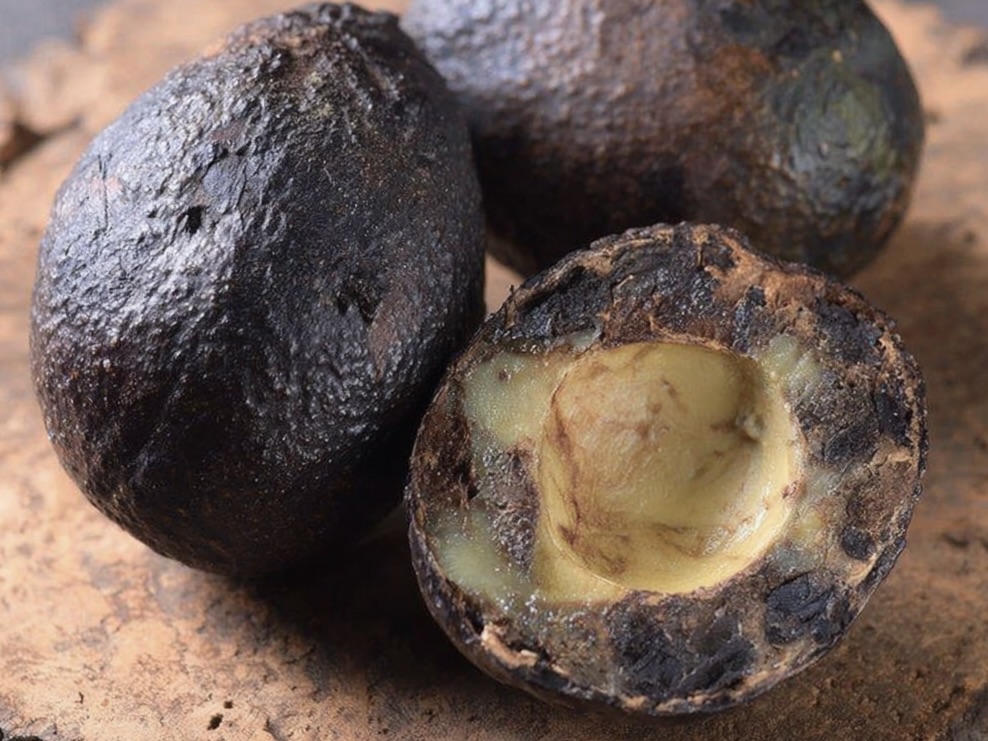
The avocado you left half of turns a cruel black color the next day. Let me tell you the ultimate trick to free yourself from that feeling of despair. Apply lemon juice? Stick a piece of plastic wrap on it? No, such a tepid method will not prevent oxidation. Fill an airtight container with water and “completely submerge” the avocado, cross section down, before placing it in the refrigerator. It is contact with oxygen that causes avocados to turn black. Once the physical barrier of water blocks 100% of the oxygen, the oxidation reaction is completely stopped. Even after a few days, you will find them as bright green as right after you cut them.
7. Giving “ice water shock therapy” to shriveled lettuce
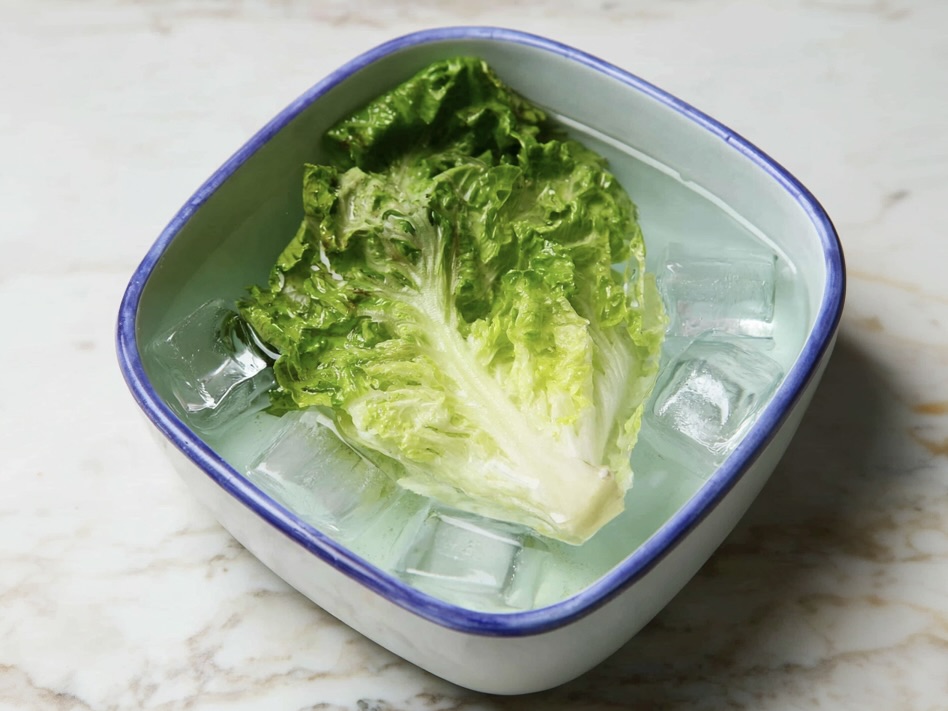
You find a limp, dying lettuce in the back of your refrigerator. Before you give up and throw it in the trash, try this magic trick. Create a bowl full of ice water and submerge the shriveled leaves in it for 10 to 15 minutes to give them “shock therapy. The principle of osmosis forces water into the cells, and the lost tautness is quickly restored. The cell walls regain their moisture content, and the crispy texture of the food, as if it had just been bought at the supermarket, is restored. You will be impressed by the vitality of the ingredients.
8. Freeze excess herbs in “olive oil”.

The herbs you buy for cooking don’t get used up, and after a few days they turn black and sludgy. Have you ever had that frustrating experience? Chop the leftover herbs into small pieces, put them in an ice tray, pour olive oil over them, and throw them in the freezer. The film of oil keeps the herbs from being exposed to the air and prevents oxidation, while at the same time perfectly protecting them from freezing and burning. When ready to use, simply pop the herb ice cubes into a hot frying pan. The rich aroma of the herbs will dissolve into the oil, instantly transforming your dishes into the taste of a fine restaurant.
9. Sneak only “one apple” into the bag of potatoes.
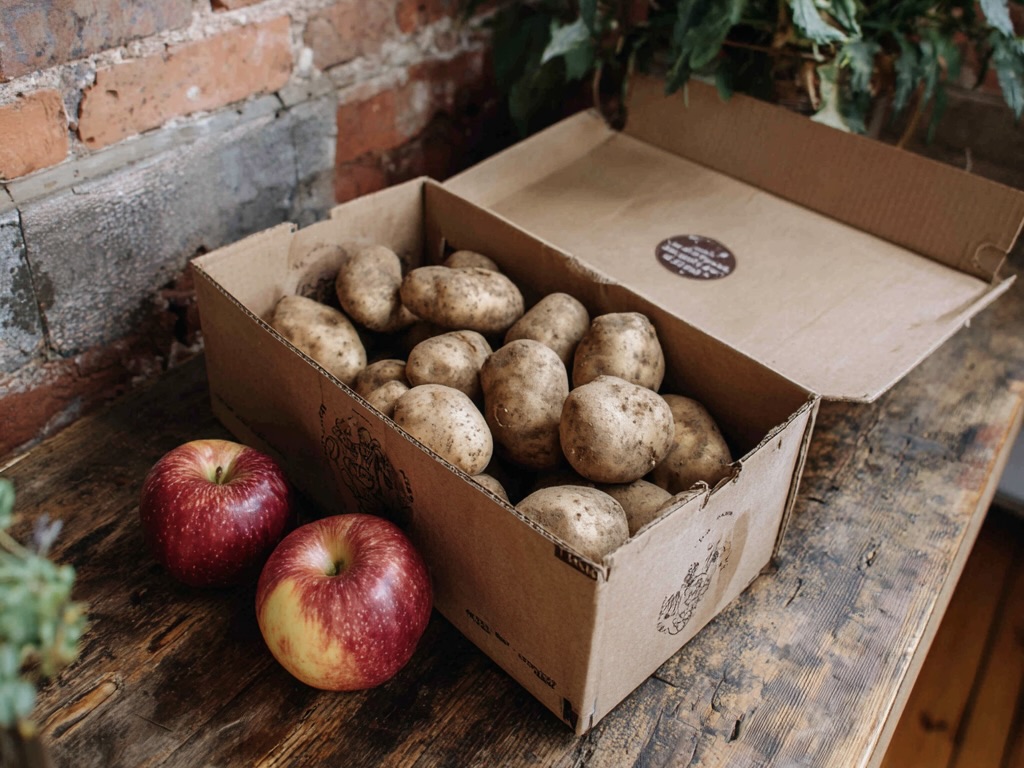
In Chapter 2, we told you that apples are dangerous because they spoil other vegetables. However, when it comes to “potatoes,” the apple turns into the best companion. The ethylene gas released from apples mysteriously triggers a chemical reaction that strongly inhibits the germination process of potatoes. Keep just one apple in the bag in which you are storing your potatoes. This alone can delay the emergence of those nasty, poisonous sprouts by months. It is truly an alchemy for those in the know, utilizing a chemical reaction in nature.
10. Submerge the Ziploc under “water pressure” to force vacuum packing.
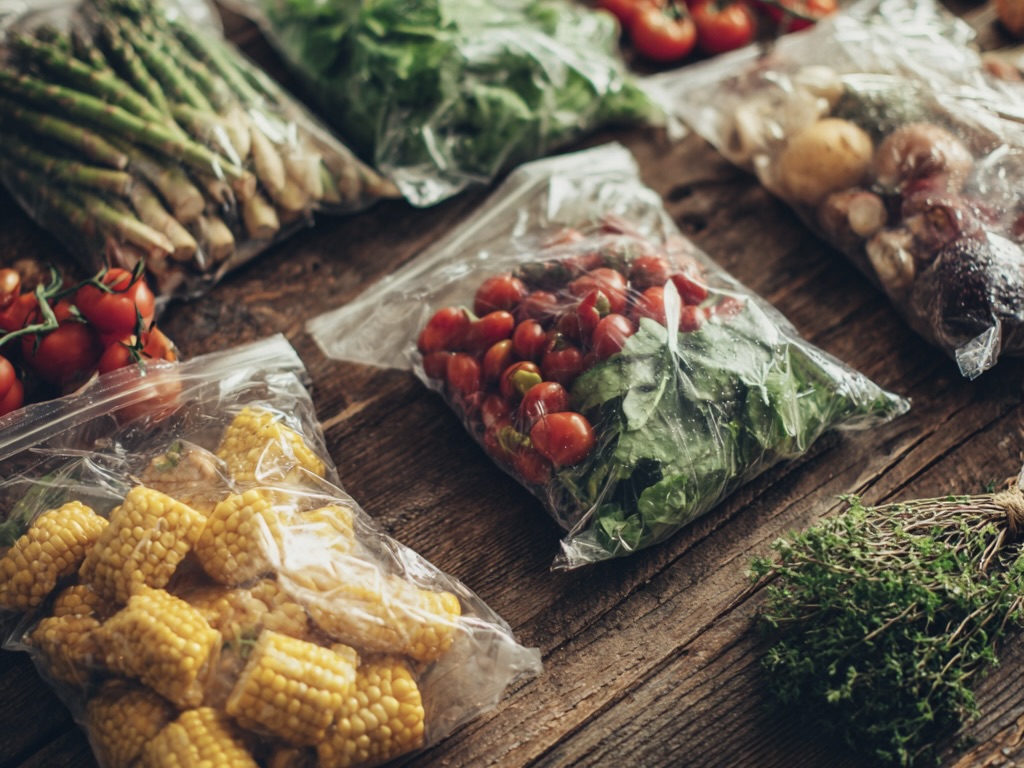
There is no doubt that “vacuum packing” is the strongest way to prolong the life of food. However, there is no need to buy expensive special equipment. All you need is water. Open the mouth of the Ziploc bag with the food slightly, and slowly submerge it in a large bowl of water. The water pressure will then push the air out of the bag perfectly from the bottom to the top. Once all the air is out, close the zipper, and in no time at all, a vacuum is created. With this absolute defense against freezer burn and oxidation, food loss in your kitchen will be zero.

