The world is full of creatures that shatter everything we think we know about life. Some look like monsters from another planet, while others have evolved mind-bending abilities that seem straight out of science fiction. Their forms and behaviors will leave you saying, “No way… that can’t be real!”
In this article, we’ve ranked 15 of the most unbelievable animals from around the globe—a lineup of nature’s strangest and most fascinating creations. Get ready to feel chills, amazement, and pure wonder as you meet these bizarre residents of the animal kingdom.
About the Author
Former Journalist
Lily Parker
Hi, I’m Lily Parker from the Planet Life editorial team. As a former journalist, I’ve honed my research skills, and I’m passionate about exploring global cultures. I write about unique traditions and fascinating customs from around the world. My goal is to spark your curiosity and show you a different side of the planet.
No.15: Potoo

Bearing the eerie nickname “Ghost Bird,” the Great Potoo is a unique bird that inhabits the tropical forests of Central and South America. During the day, it’s nearly impossible to spot, as it perches motionless on a tree branch, perfectly camouflaged. It has the amazing ability to sense its surroundings through small slits in its eyelids even when they are closed, allowing it to detect predators and prey while it “sleeps.” At night, it reveals its true nature, using its large mouth to hunt insects and small birds.

What makes this bird truly special is its distinctive call. Its mournful, flute-like melody echoes through the jungle in the dead of night, a sound that resonates with anyone who hears it. Its sorrowful cry is what cemented its nickname, “Ghost Bird,” and has given rise to sad legends passed down through generations. Its appearance is simultaneously ghostly and humorous, making it an unforgettable sight once seen.
No.14: Star-Nosed Mole

The fastest-eating mammal on Earth is the star-nosed mole, which is native to North America. This mole has a bizarre, star-shaped nose that looks as if a starfish has been stuck to its face. The nose is equipped with 22 fleshy tentacles packed with a total of 25,000 highly sensitive sensory receptors. This allows the mole, which has poor vision, to instantly feel and identify its prey in the blink of an eye.

Its ability is nothing short of astonishing. It can identify, catch, and eat its prey in just 0.12 seconds. Scientific journals have reported it as the fastest-eating mammal in the world. The mole scurries around the wetlands, both underground and in the water, using its star-shaped nose to find food. Though its form is strange, it’s a testament to the functional beauty produced by the laws of nature. This unique morphology is a perfect example of evolution taken to the extreme to adapt to its environment.
No.13: Blue Dragon Sea Slug (Glaucus atlanticus)

A beautiful creature that looks like something out of a legend drifts in the tropical seas. This is the Glaucus Atlanticus, or blue dragon sea slug. Though it’s only about 3 cm long, its body is a vibrant mix of blue and silver, and as it floats on the ocean’s surface, it looks like a fantastical figurine. It lives its entire life floating upside down, carried along by the currents.
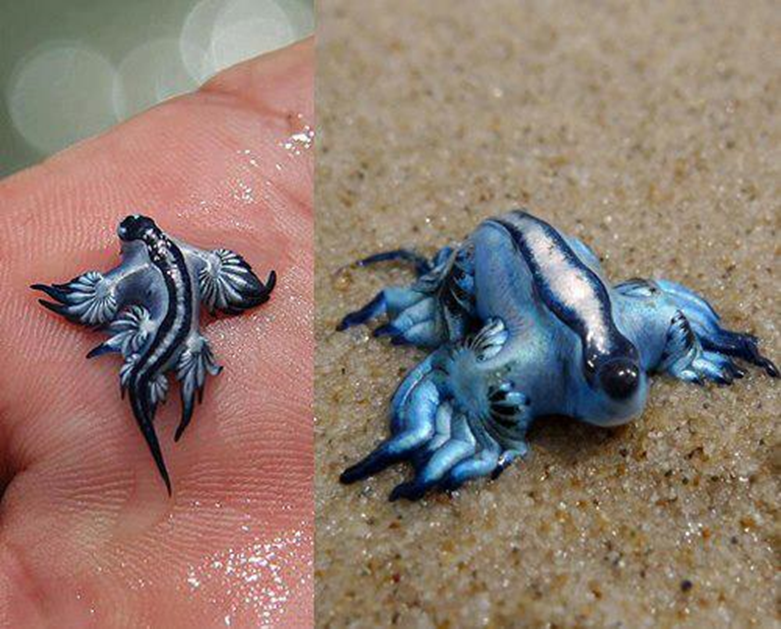
Despite its beautiful appearance, this sea slug has a surprisingly ferocious nature. It preys on highly venomous jellyfish, like the “Portuguese man-of-war,” and has an audacious strategy of storing the stinging cells (nematocysts) from its prey within its own body. This means that this beautiful creature is packed with powerful venom, and touching it can cause humans excruciating pain. Its ability to absorb and store venom is also a fascinating subject of academic research. With its perfect combination of beauty and danger, the blue sea dragon embodies both the romance and the terror of the ocean.
No.12: Atretochoana eiselti
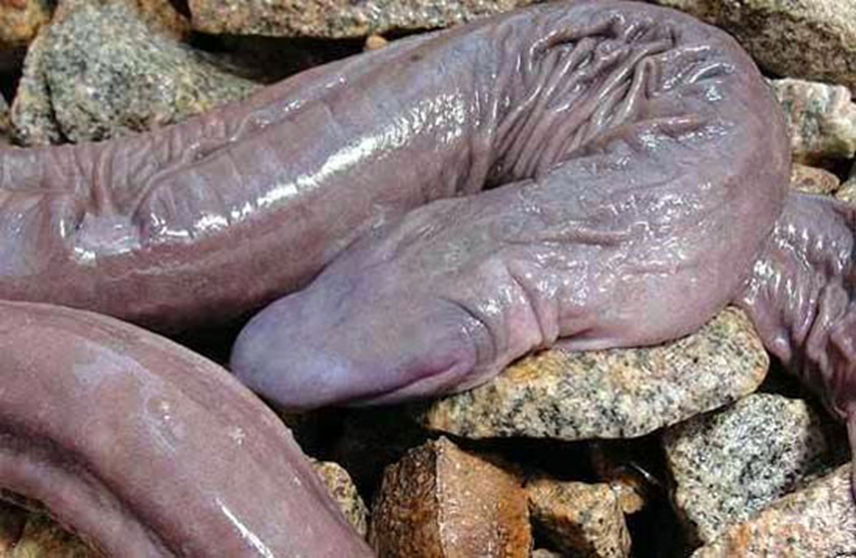
Appearing at first glance to be a giant earthworm or a snake, this bizarre creature is a species of caecilian found in the Brazilian Amazon. Its most remarkable feature is that it has no lungs whatsoever. It breathes entirely through its skin, allowing it to survive only in a moist aquatic environment.

Although its existence was known from specimens dating back to the 1960s, it was considered a “phantom creature” until a living individual was rediscovered in 2011. Due to its extremely strange appearance, it was nicknamed the “penis snake” by the media, but it is officially classified as an amphibian. Its snout has short tentacles, and while its eyesight has degenerated, it uses its excellent sense of smell to find prey.
As the largest lungless amphibian on Earth, this creature represents an extreme of evolution, and much of its ecology remains a mystery. Its unknown nature only serves to fuel our human curiosity. This discovery is a stark reminder that there are still many creatures on Earth that we have yet to find.
No.11: Peacock Mantis Shrimp
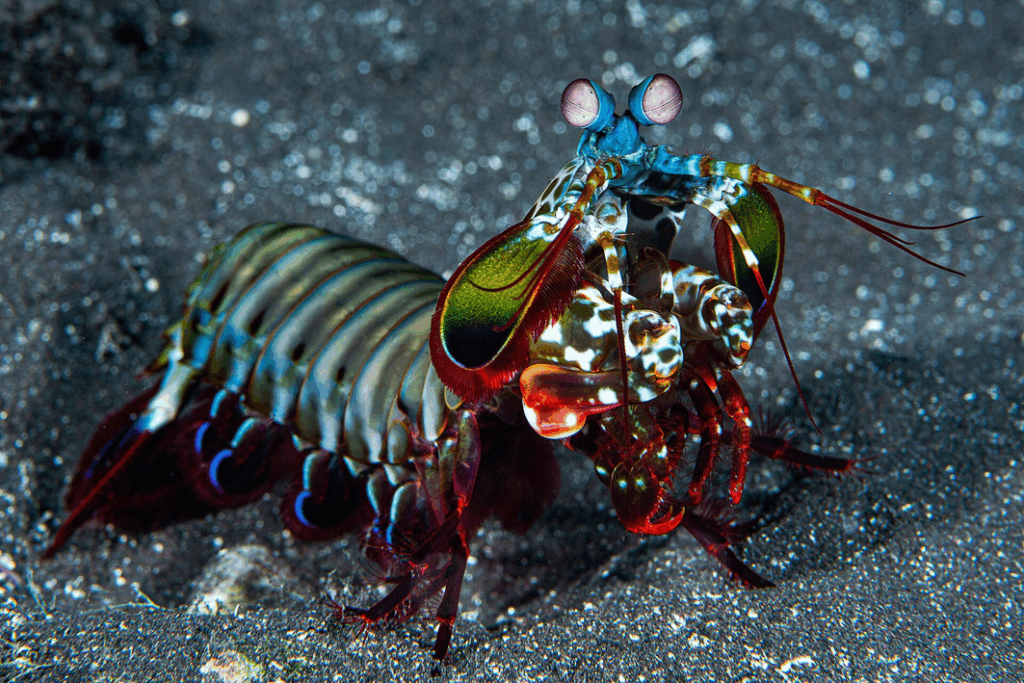
Don’t be fooled by its dazzling colors and jewel-like patterns—the Peacock Mantis Shrimp is one of the most formidable predators in the sea. Found in the coral reefs of the Indo-Pacific, this crustacean wields a pair of raptorial appendages capable of delivering punches at speeds over 50 mph (80 km/h). That’s fast enough to generate cavitation bubbles—tiny underwater shockwaves that can stun or kill prey. Its strike is so powerful it can shatter clam shells, crack snail armor, and even break aquarium glass.
And then there are its eyes—arguably the most advanced in the animal kingdom. While humans have three types of photoreceptor cells, the mantis shrimp boasts up to 16, enabling it to see ultraviolet, polarized light, and an estimated 100,000 color variations. It’s like having a built-in, high-tech multispectral scanner.
With its brutal punch and unparalleled vision, the Peacock Mantis Shrimp is nature’s perfect blend of beauty and brutality—a true assassin of the reef.
No.10: Saiga Antelope
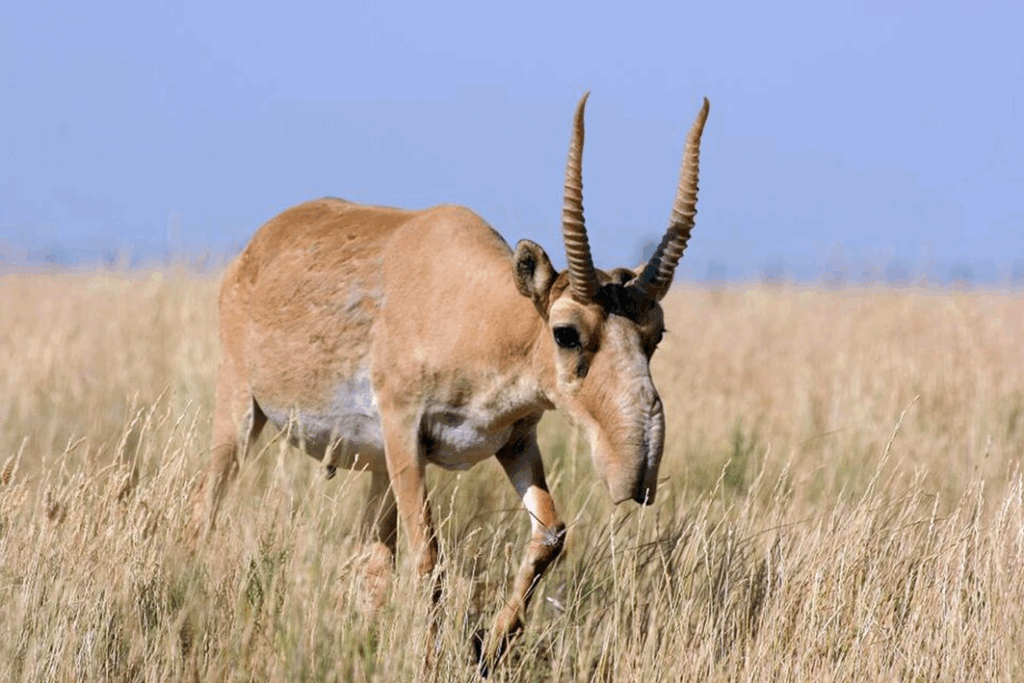
Roaming the vast grasslands of Central Asia, the Saiga antelope is unforgettable at first glance—thanks to its bizarre, oversized nose. Hanging downward like a shrunken elephant trunk, this bulbous snout is more than just a quirky feature. It’s a multifunctional survival tool: in summer, it filters out dust from the steppe winds; in winter, it warms and humidifies icy air before it reaches the lungs.
A living relic from the Ice Age, the Saiga once teetered on the brink of extinction due to hunting and disease. Today, conservation efforts have brought hope for its recovery. To witness a herd of these odd-nosed antelopes rippling across the open plains, noses trembling as they run, is to glimpse the very spirit of the grasslands—a fleeting vision of a world that almost vanished.
No.9: Giant Isopod
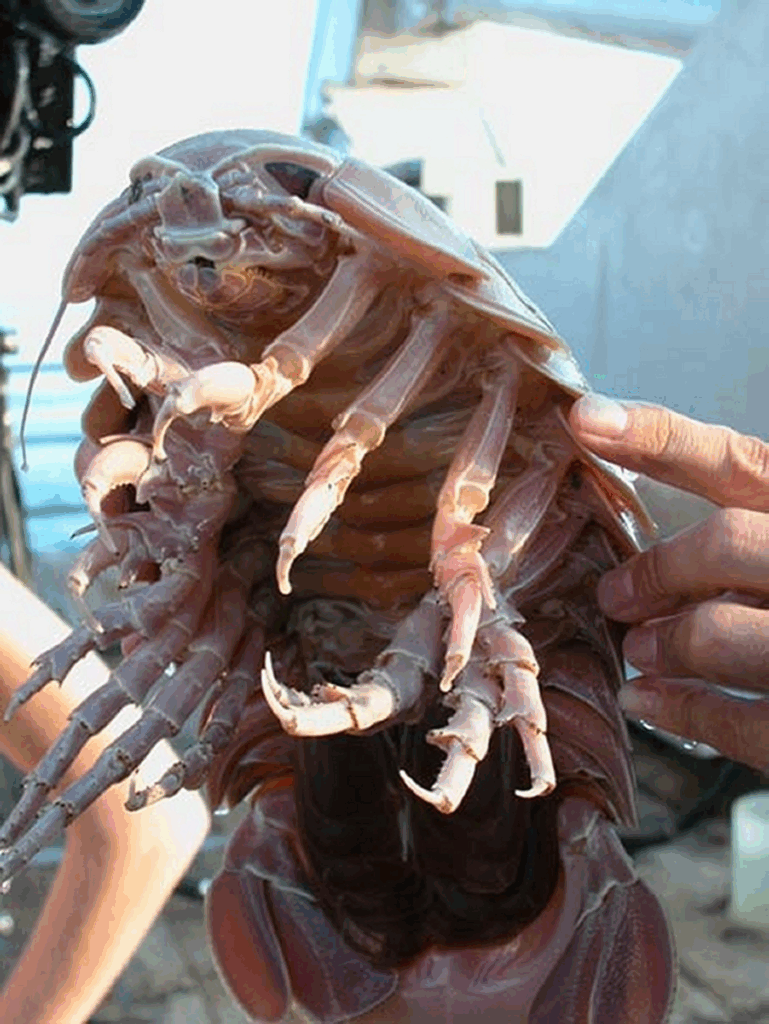
Lurking in the silent depths of the ocean floor, the Giant Isopod looks like a pill bug from your backyard—on steroids. Reaching lengths of 30 cm (12 in) or more, this deep-sea scavenger is one of the largest crustaceans of its kind. It survives by feasting on carcasses of fish and whales that sink into the abyss, earning its role as the ocean’s ultimate clean-up crew.
But its most astonishing feat? Extreme fasting. At Japan’s Toba Aquarium, one individual famously refused food for over five years, surviving in a state of near hibernation without wasting away. Researchers later discovered that a single meal can amount to 45% of its body weight, storing enough energy to last nearly six years. Patient, resilient, and otherworldly, the Giant Isopod is a testament to nature’s ingenuity in the harshest environments on Earth.
No.8: Aye-Aye
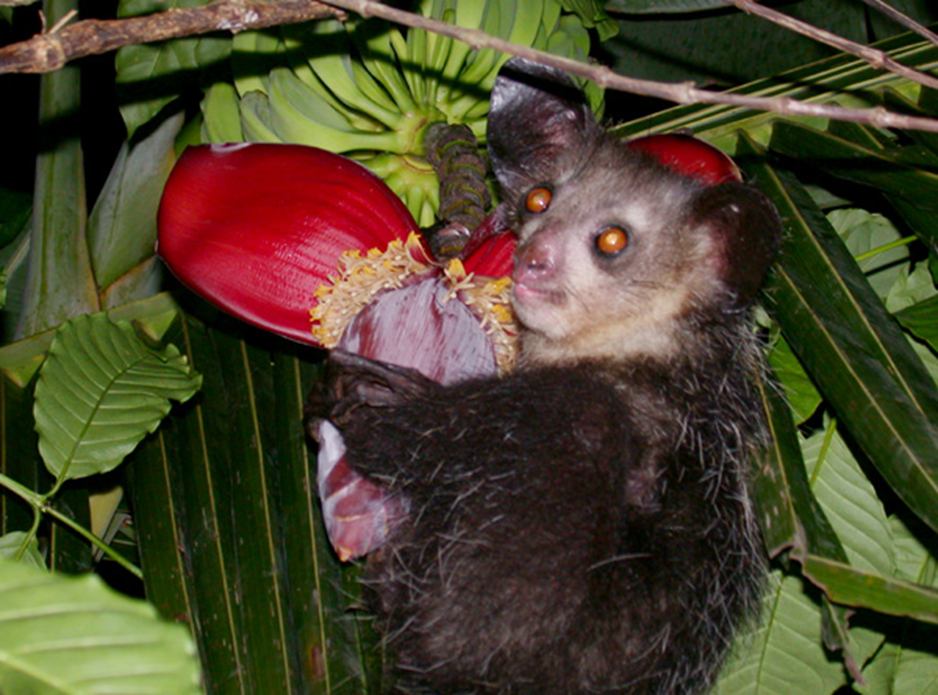
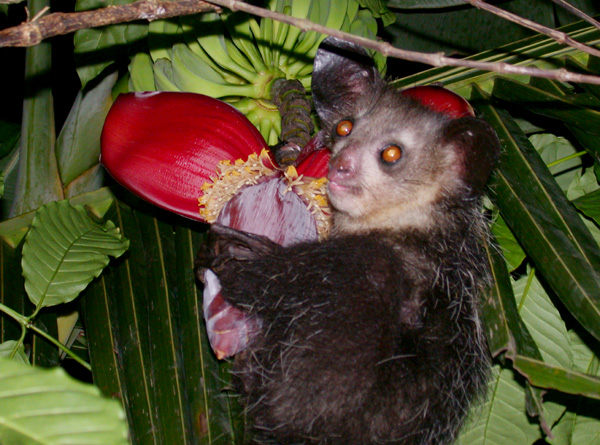
Native to Madagascar, the Aye-Aye is a nocturnal primate so strange that local folklore brands it a harbinger of doom. Its shaggy black fur, bat-like ears, and piercing yellow eyes are eerie enough—but its grotesquely long, skeletal middle finger steals the show. By tapping on tree bark to locate grubs, then gnawing holes and fishing them out with this gnarled digit, the Aye-Aye employs a feeding strategy unlike any other primate.
For centuries, villagers believed that an Aye-Aye pointing its cursed finger at someone foretold death, leading to widespread killings of the species. Today, the Aye-Aye is a protected animal and a keystone species, playing a vital role in Madagascar’s ecosystem. Half demon, half marvel of evolution, it reminds us that the strangest adaptations often conceal the deepest ecological importance.
No.7: Wolverine Frog (Hairy Frog)
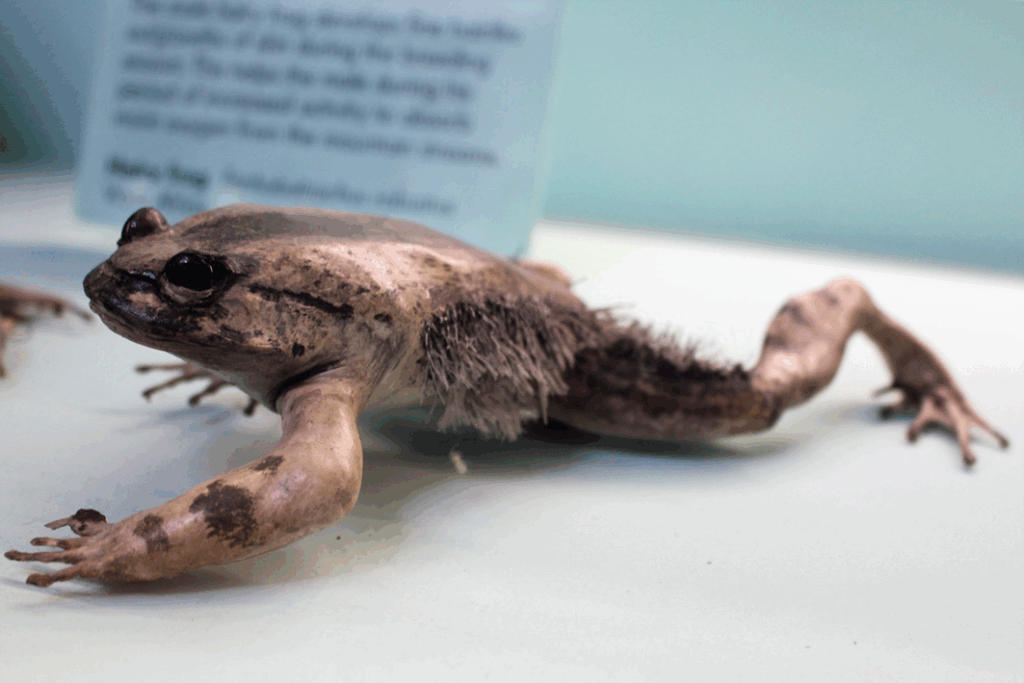
Straight out of a superhero comic, the Wolverine Frog of Central Africa takes extreme measures when threatened: it breaks its own bones to create claws. Normally, these bony spurs lie hidden beneath its skin, but when danger looms, the frog contracts its muscles, forcing the bones to pierce through its flesh and protrude as weapons.
This shocking adaptation turns the frog into a living weapon—at a painful cost. While some frogs have keratin claws, no other species is known to use its actual skeleton as retractable armament. Known also as the Hairy Frog for the filament-like structures that sprout on males during breeding, this creature redefines “fight or flight.” In its case, the choice is fight—at any price.
No.6: Goblin Shark
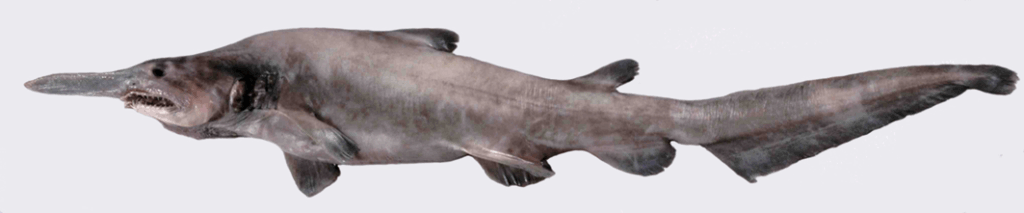
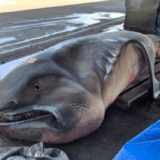
With its flabby pink skin, grotesquely elongated snout, and dagger-like teeth, the Goblin Shark looks like a nightmare dredged from the abyss—and that’s not far from the truth. This deep-sea predator, discovered in Japan in 1898, hides its most terrifying feature until the moment it attacks: a slingshot jaw that rockets forward like something from a horror film.
Normally tucked deep in its throat, the jaw shoots out in 0.3 seconds, opening at a 120-degree angle to seize unsuspecting prey. In a realm where food is scarce and survival is brutal, this alien adaptation is the key to its success. Watching a Goblin Shark lunge is like seeing evolution in overdrive—a perfect example of how life in the deep bends reality into nightmare form.
No.5: Naked Mole-Rat
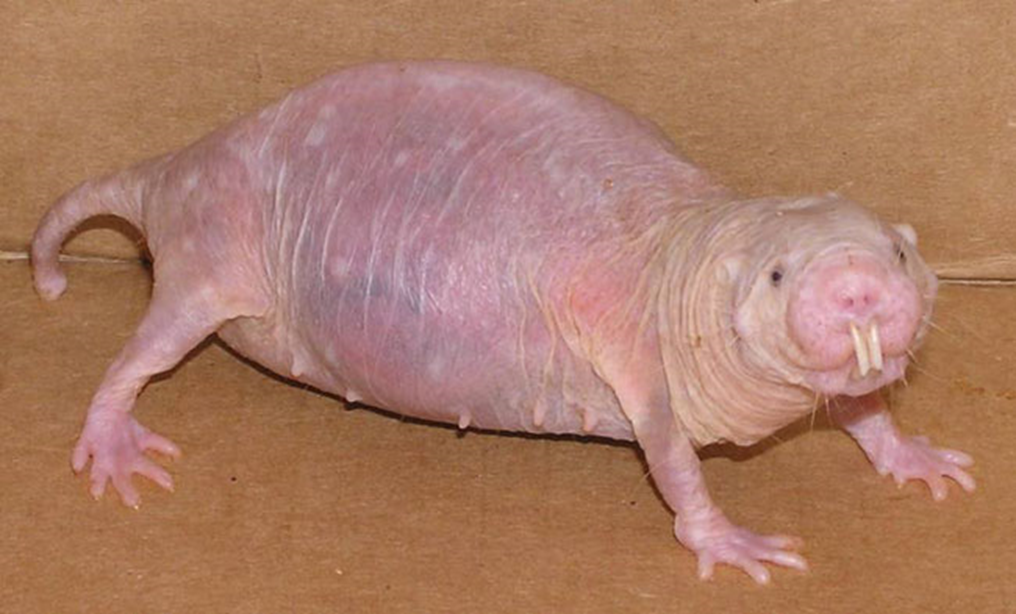
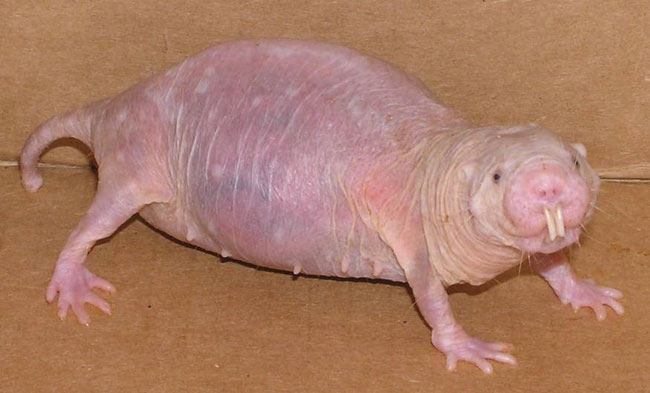
Wrinkled, hairless, and frankly homely, the Naked Mole-Rat looks like a pink sausage with teeth. But this East African burrow-dweller is a biological marvel, flaunting superpowers that put most mammals to shame. It lives in eusocial colonies like ants or bees, with a single breeding queen, sterile workers, and soldier castes—a social structure almost unheard of among mammals.
Its evolutionary quirks don’t stop there. Naked Mole-Rats are immune to certain types of pain, unfazed by capsaicin and acid that would make other animals writhe. They also possess extraordinary cancer resistance and can survive 18 minutes without oxygen by switching their metabolism to a plant-like process. And then there’s longevity: these rodents can live up to 30 years, showing minimal signs of aging—three times longer than similar species.
Scientists believe cracking the genetic secrets of this bizarre creature could revolutionize human medicine. Ugly? Perhaps. But in the world of cutting-edge biology, the Naked Mole-Rat is nothing short of a superstar.
No.4: Tongue-Eating Louse
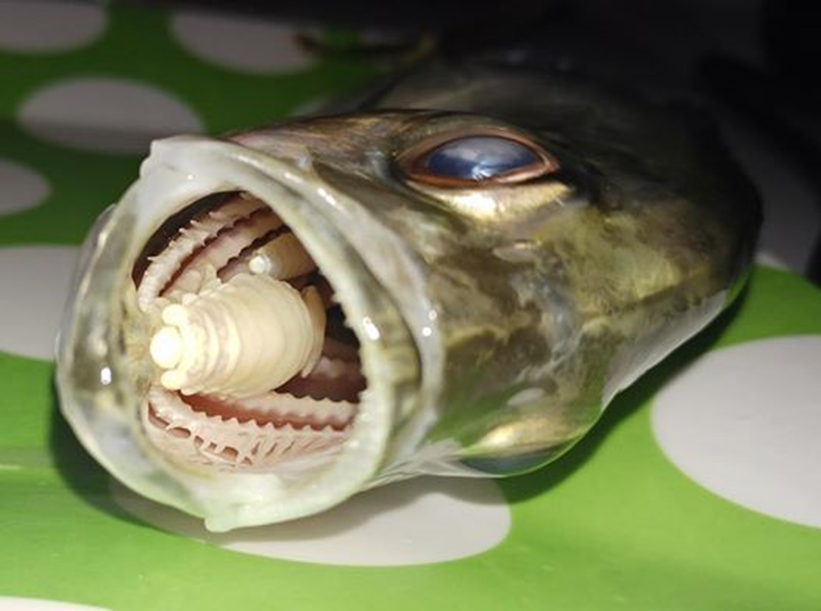
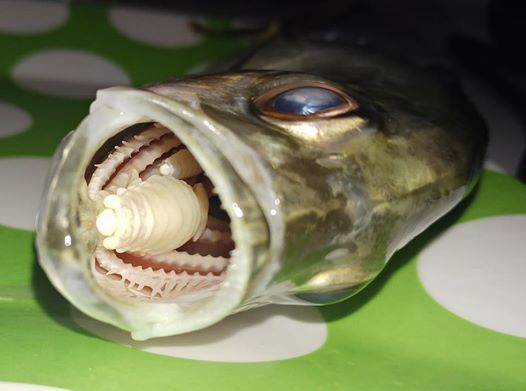
If there were a “parasitic horror” genre, the tongue-eating louse would be its undisputed star. This small isopod (a distant cousin of the pill bug), just 3 cm long, infiltrates the mouths of fish in warm seas. Entering through the gills, it latches onto the base of the tongue and severs its blood supply with hooked claws. Slowly, the tongue withers away—until the parasite takes its place.
Yes, you read that right: the louse literally becomes the fish’s tongue. The host continues to live and feed, using the intruder as a functional replacement. This chilling biological coup is unique in the animal kingdom. White and armored with seven pairs of legs, it looks like a deep-sea alien lurking inside its host. Fortunately, it doesn’t infect humans, though many fishermen have screamed when finding one in their catch. Nightmarish as it seems, this parasite represents evolution at its most ruthless—and its most fascinating.
No.3: Surinam Toad (Pipa pipa)
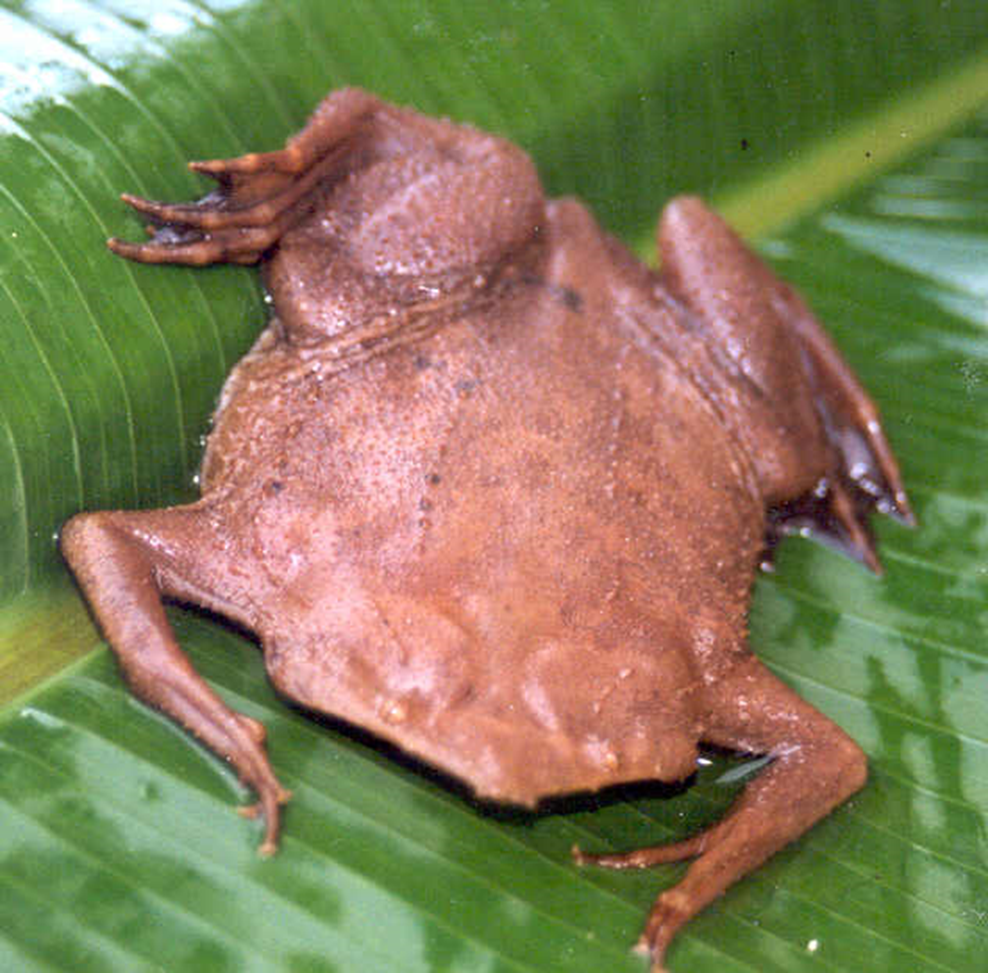
If you thought motherhood was beautiful, the Surinam toad might make you think twice. Native to the Amazon Basin, this flat, leaf-like amphibian breeds in a way that borders on body horror. After mating, the female embeds fertilized eggs into the skin of her back. Soon, her flesh swells into a honeycomb of pouches—each one an incubator for a growing embryo.
Weeks later, the horror show begins: dozens of fully formed baby toads burst out through the mother’s back and swim away. This grotesque yet effective strategy shields eggs and tadpoles from predators. With its pancake-flat body, star-shaped fingertips, and gaping mouth, the Surinam toad looks like something dredged from a sci-fi swamp. Equal parts creepy and awe-inspiring, it’s a chilling reminder that nature’s maternal instincts can take the strangest—and most unsettling—forms.
No.2: Tardigrade
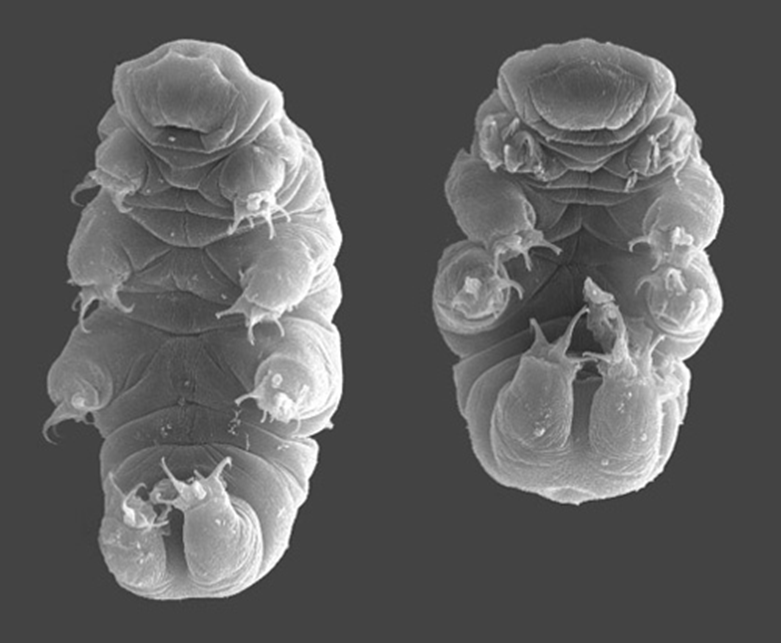
The tardigrade, also called the water bear, is tiny—less than a millimeter long—but its toughness defies imagination. This microscopic creature laughs in the face of extremes that annihilate almost all other life. By entering a state called cryptobiosis, the tardigrade dries out, halts its metabolism, and essentially plays dead—only to bounce back when conditions improve.
In this state, it can endure:
・Absolute zero (-273°C) to boiling water
・Vacuum of space (surviving 10 days in orbit!)
・Crushing pressures 7,500 times greater than Earth’s atmosphere
・Radiation doses thousands of times the lethal human limit
When rehydrated, it resumes life as if nothing happened—even reproducing as normal. Scientists are still unraveling the secrets behind its indestructibility, including unique proteins that shield DNA from damage. The tardigrade isn’t just a biological curiosity—it’s a symbol of life’s sheer will to endure, rewriting our understanding of what survival really means.
No.1: Immortal Jellyfish (Turritopsis dohrnii)
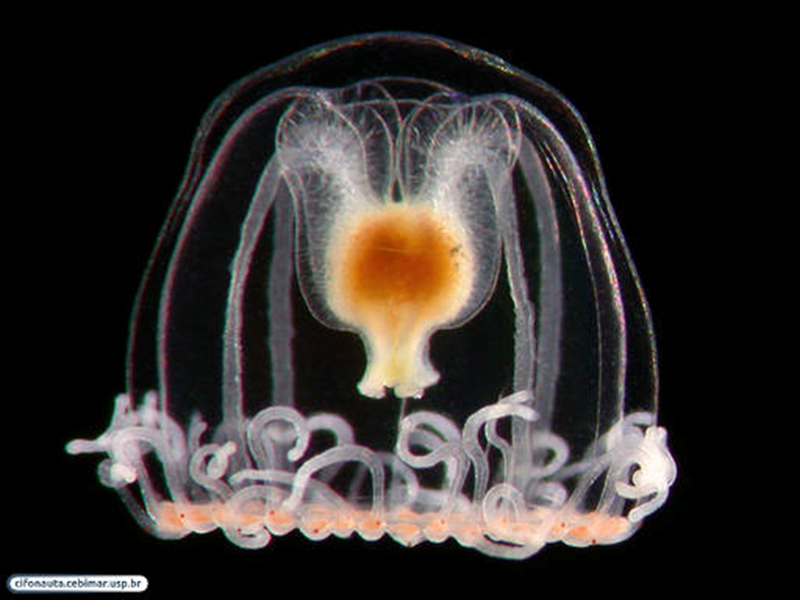
Imagine a creature that can grow old—then turn back the clock. Meet the immortal jellyfish, a tiny species from the Mediterranean that has baffled scientists for decades. Instead of dying after reproducing like most jellyfish, Turritopsis dohrnii reverses its life cycle: when stressed or aging, it transforms back into its juvenile polyp stage, essentially rebooting its life.
This biological time machine allows the jellyfish to sidestep aging and, in theory, live forever—barring disease or predators. While it’s not truly death-proof, its rejuvenation process is so rare that it’s often cited as the closest thing to immortality in the animal kingdom. For over 40 years, researchers have probed its genetic secrets, hoping to uncover clues about aging—and maybe even unlock insights into human longevity.
For now, the immortal jellyfish remains a living paradox: fragile, yet potentially eternal. A tiny, translucent marvel that holds the key to one of life’s greatest mysteries.
Hope you enjoyed the list. It’s a powerful reminder that the animals we know are only a tiny fraction of the life on Earth. These bizarre creatures teach us about the incredible depth of our planet and the diversity of evolution.
This site has many more wonders and incredible stories from around the world to explore, so be sure to check out our other articles.


.jpg)