
1.Be careful if you see a “black dot” on the tip of a banana.
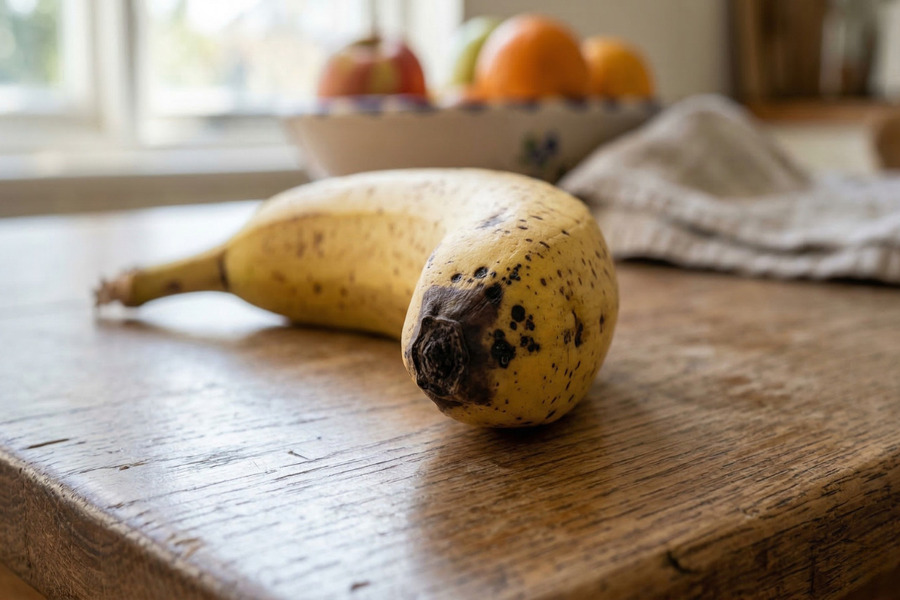
The “sugar spot,” a black spot on the banana peel, is a sign that the banana is ripe and rather ready to eat. However, if there is a black spot at the tip and even the inside of the peel is discolored black or red, be careful. This is not a sign of ripeness, but rather a sign that the inside is infected with mold such as “Nigrospora”. This mold toxin is heat-resistant, and heating does not eliminate the toxin. If ingested by allergic people, it may cause abdominal pain and urticaria. Always check the contents after peeling, and dispose of them if they have turned black or red. In fact, there are still some unexpected danger signs lurking in foods we eat because we think they are “safe.
2.Eating boiled eggs ‘a few days later’ is actually dangerous.
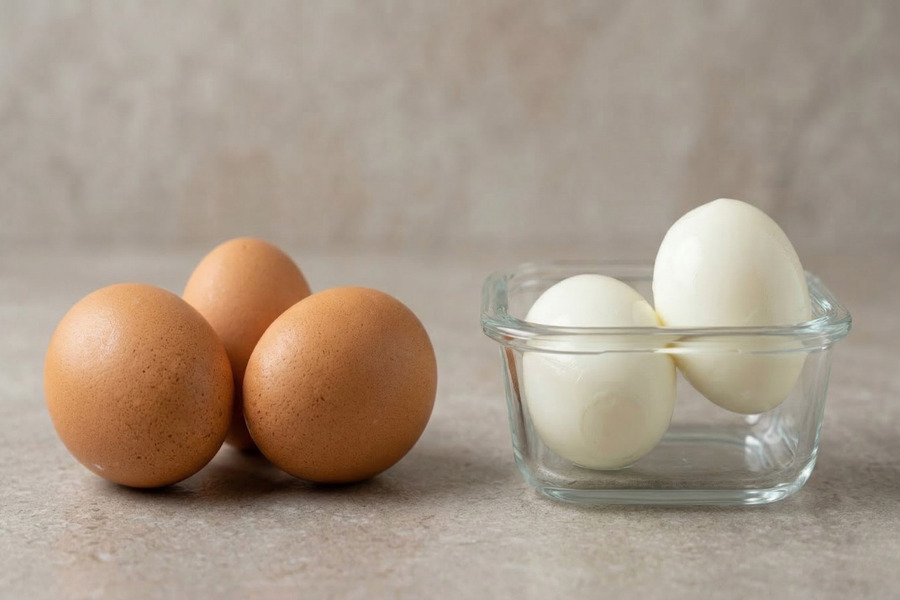
It is a big misconception that eggs last longer than raw eggs because they have been cooked. Boiling eggs causes them to lose the bactericidal enzyme (lysozyme) that is present in raw eggs. This makes boiled eggs very susceptible to bacterial growth. Eggs with shells can be stored in the refrigerator for up to three days, but once shelled, they should be eaten the same day (or the next day at the latest). When packing them in lunch boxes, be sure to heat them thoroughly to the center, and eat them up as soon as possible.
3.Even if the natto is “within the best-before” date, if it doesn’t string when stirred, is it a sign to be careful?
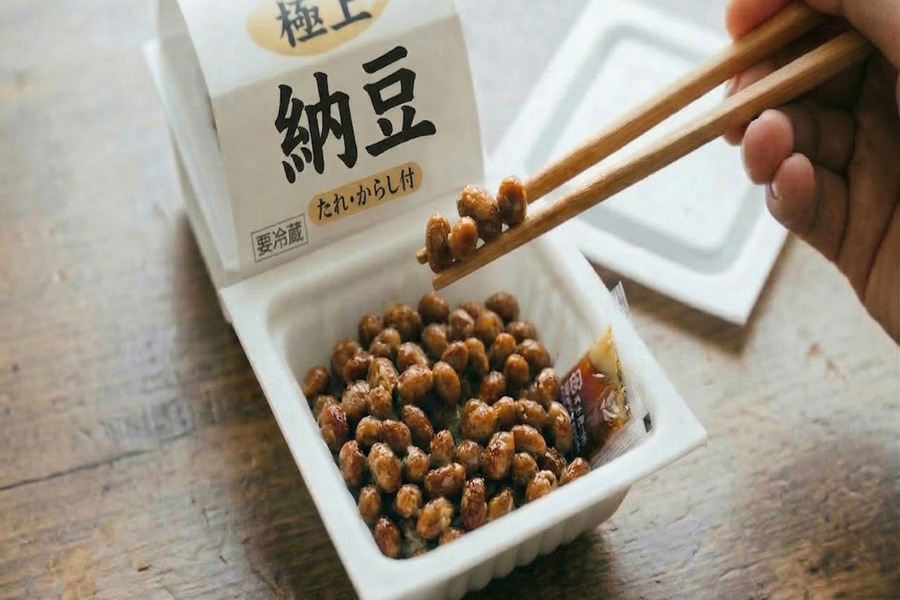
Natto is a fermented food, but it does not mean that it will not spoil forever. Even within the expiration date, if it is stored poorly and bacteria grow, the natto bacteria will be defeated and the sticky ingredients will be decomposed. If the natto becomes “not stringy at all and watery,” no matter how much you stir it with chopsticks, it is a danger sign that you should not eat it. If you see that the beans are dark or watery, refrain from eating them.
4.If you see “fine bubbles” floating on the surface of honey, it is a sign of fermentation.
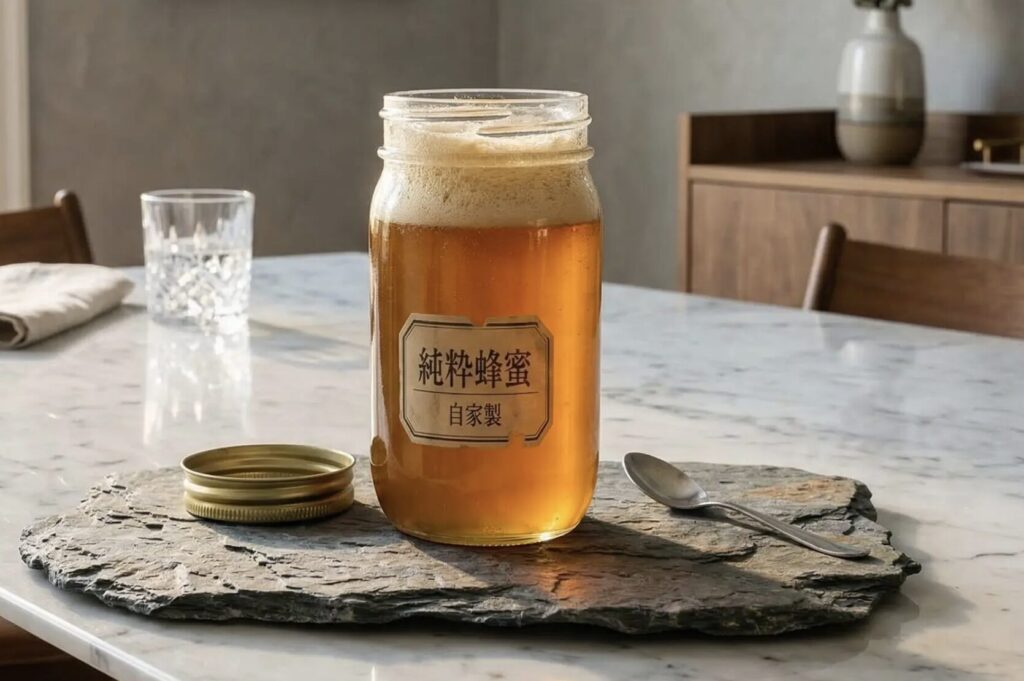
The white hardening of honey is a natural phenomenon called “crystallization,” and it tastes good when warmed. However, if moisture or bread crumbs are mixed in and “fine bubbles” float on the surface, be careful. This is a sign that yeast has “fermented” in the honey. Eating it as it is may cause an upset stomach. Use a clean spoon and keep the lid on tightly.
5.More dangerous than potato sprouts? Greenish skin” is a sign of increasing toxicity.
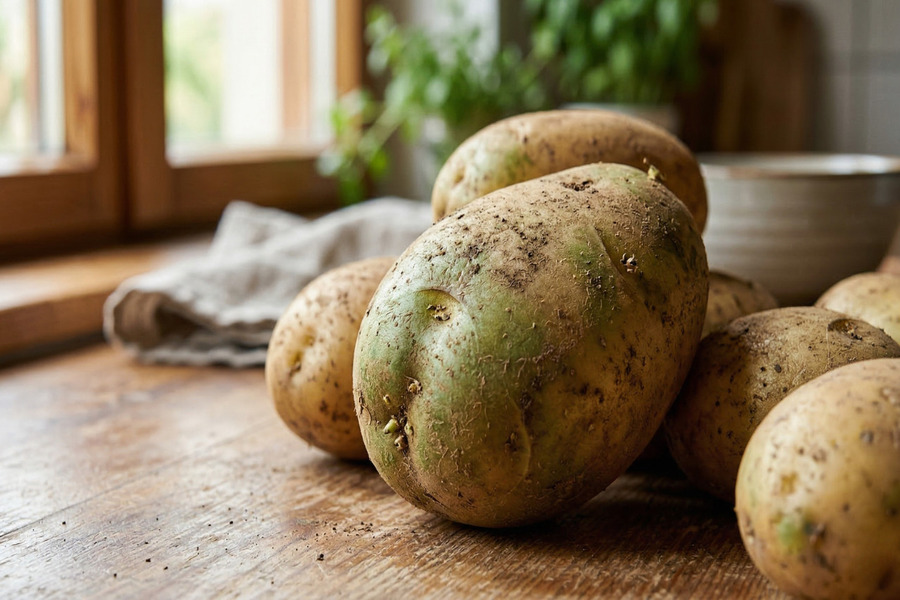
While it is well known that the “sprouts” of potatoes are poisonous, the green color of the “skin” is actually another danger sign. Exposure to sunlight or supermarket lighting produces “solanine,” a natural toxin, on the surface of the skin. If eaten as is, it can cause nausea and abdominal pain. If you notice the green part, peel the skin “thickly” until you see the white part inside. If it is white, it is safe and tasty.
6.If you bite into an “opened nut” and notice a strong bitter taste, be careful.
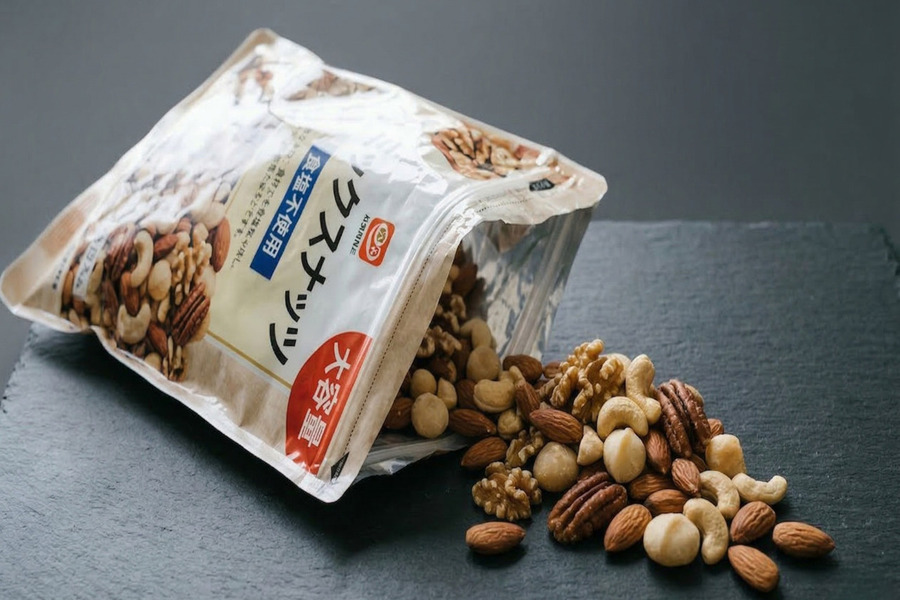
Do you remember when you opened that big bag of nuts? Nuts are very oily and quickly “oxidize” when exposed to air. Oxidized nuts not only lose their nutritional value, but eating them can also cause stomach upset and abdominal pain. If you experience a “strong bitter taste” after eating them, do not force yourself to swallow them, but spit them out. After opening the package, seal it tightly and store it in the refrigerator, and eat it up as soon as possible to be safe.
7.Curry left at room temperature overnight” is dangerous even when reheated.
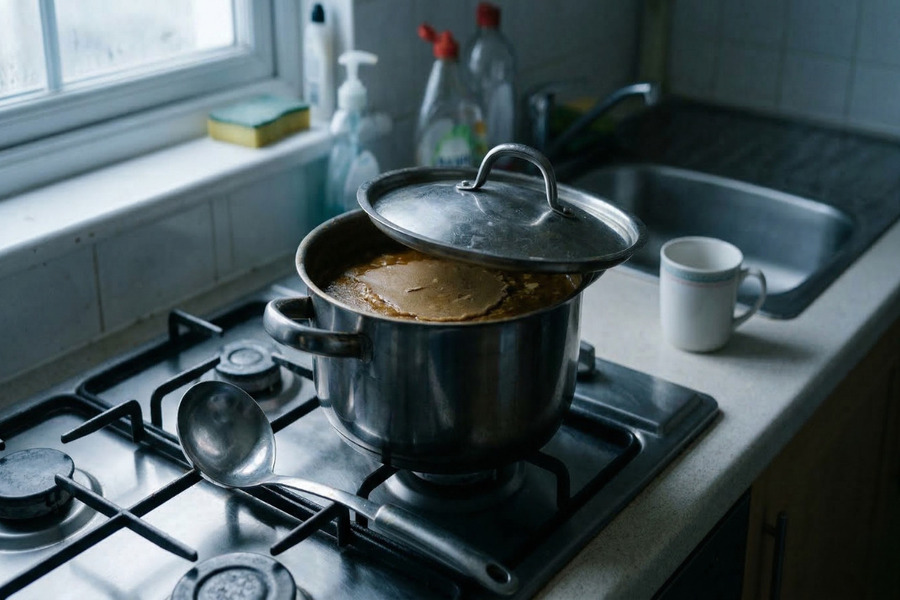
Although it is said that “curry tastes better the next day,” leaving the entire pot at room temperature can be dangerous. In a thickened dish such as curry, Welsh bacillus tends to multiply, especially at the bottom of the pot. The bacteria survive in a heat-resistant state called “spores,” so reheating does not completely eliminate the risk. Leftover curry should be removed from the heat, divided into small portions immediately, and refrigerated or frozen.
8.Be careful if the water in the tofu packet is “cloudy.
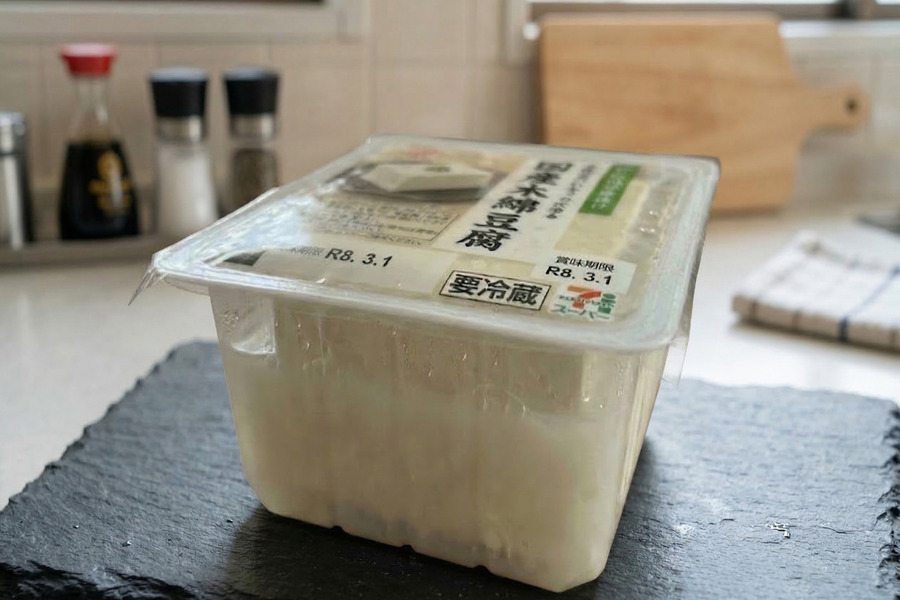
Even unopened tofu can change in quality depending on storage conditions. A slight whitish cloudiness of the water in the packet may not be a problem, and the ingredients may have dissolved. However, if there is a sour smell, sliminess, or if the tofu has collapsed and is sludgy, be careful. These are signs of bacterial growth and should not be eaten. After opening the package, it is safe to use a clean container, change the water, and eat it up as soon as possible.
9.If a cut avocado has ‘black streaks’ or a strange odor, do not eat it.
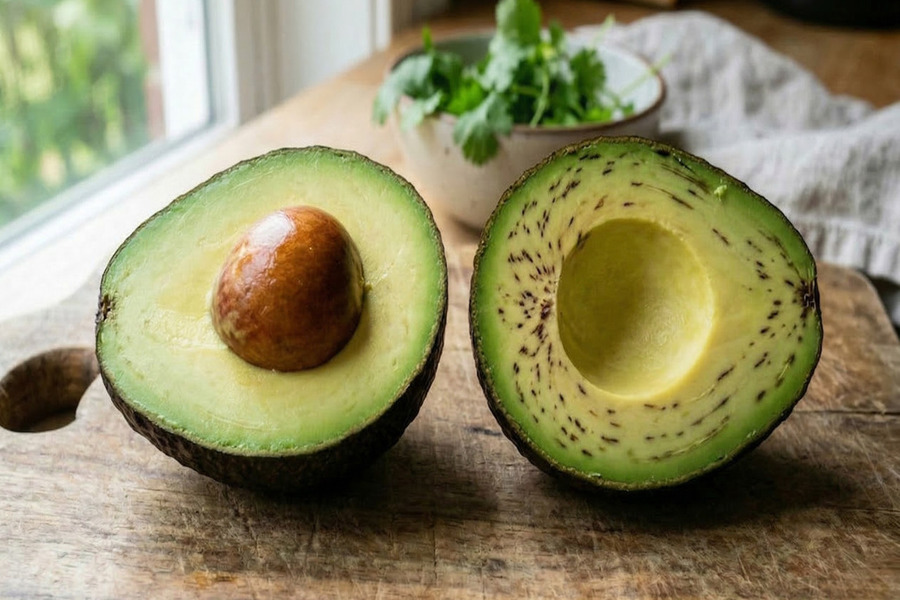
Have you ever been surprised to find “black spots or streaks” on the flesh of a cut avocado? In fact, these are merely oxidized tubes that send nutrients to the seeds when exposed to air, and are completely harmless when eaten. Please rest assured. However, if the entire pulp is dissolved into a black sludge or there is a sour “strange odor”, the fruit has completely rotted. It would be a waste to throw them away just because of the black streaks on the outside, but if the smell and texture are not right, definitely avoid them.
10.Onigiri made with bare hands” is actually a food with a high risk of food poisoning.
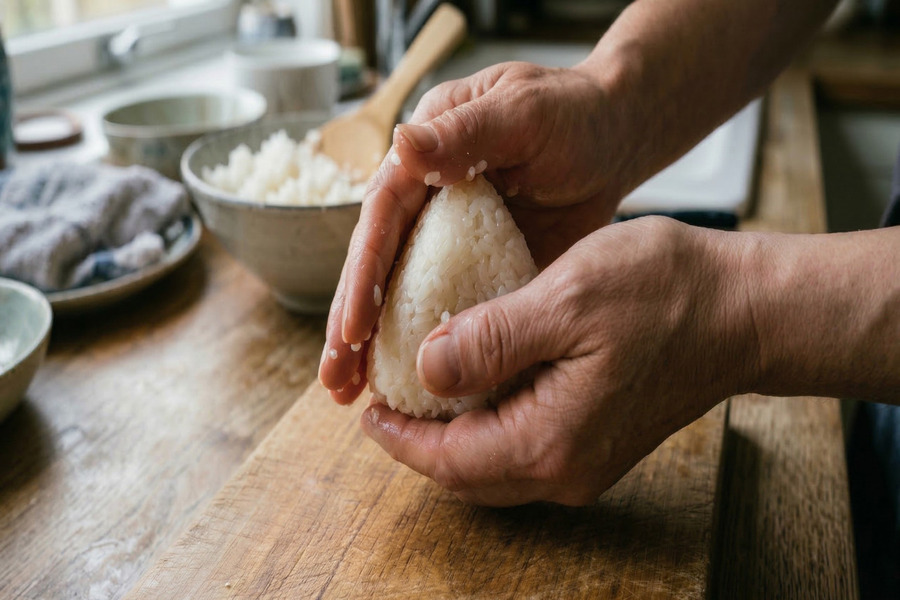
Onigiri made with bare hands are most at risk of food poisoning, even though they smell and look normal. Staphylococcus aureus” is common in human hands, and when it adheres to food and multiplies, it produces toxin. This toxin is tasteless, odorless, and does not disappear even when the food is reheated! This is the biggest blind spot because “just cook it and it’s fine” does not work. When making onigiri, be sure to use plastic wrap and disposable gloves to prevent bacteria from attaching.

